The Enduring Appeal of Inboards in 2026
As of April 2026, the marine industry continues to evolve, with technological advancements constantly reshaping propulsion systems. Yet, inboards, characterized by their engines mounted inside the hull driving a propeller shaft, maintain a dedicated following. While outboards have captured significant market share due to their convenience and power-to-weight ratio, inboards offer a distinct set of advantages—and disadvantages—that warrant a closer look for discerning boat owners. This article challenges the common notion that inboards are a relic of the past, exploring their current relevance, performance characteristics, and what makes them a compelling choice for specific applications.
Last updated: April 29, 2026
- this topic provide a lower center of gravity, enhancing stability and ride comfort, especially in rough seas, a benefit maintained as of 2026.
- The aesthetic appeal of a clean transom, free from outboard motors, remains a significant draw for many yacht and classic boat enthusiasts.
- Maintenance for Inboards can be more complex and costly, often requiring specialized expertise and dry-docking for significant work.
- it generally offer superior torque and fuel efficiency at cruising speeds compared to similarly powered outboards, especially diesel variants.
- Modern inboard systems incorporate advanced technologies, including joystick control and integrated digital switching, bridging the gap with outboard capabilities.
Many boaters assume this are simply less powerful or less efficient than their outboard counterparts in 2026. However, this overlooks the fundamental design differences that dictate their performance envelopes and suitability for different boating styles. Understanding these nuances is Key for making an informed decision.
Understanding Inboard Marine Engines
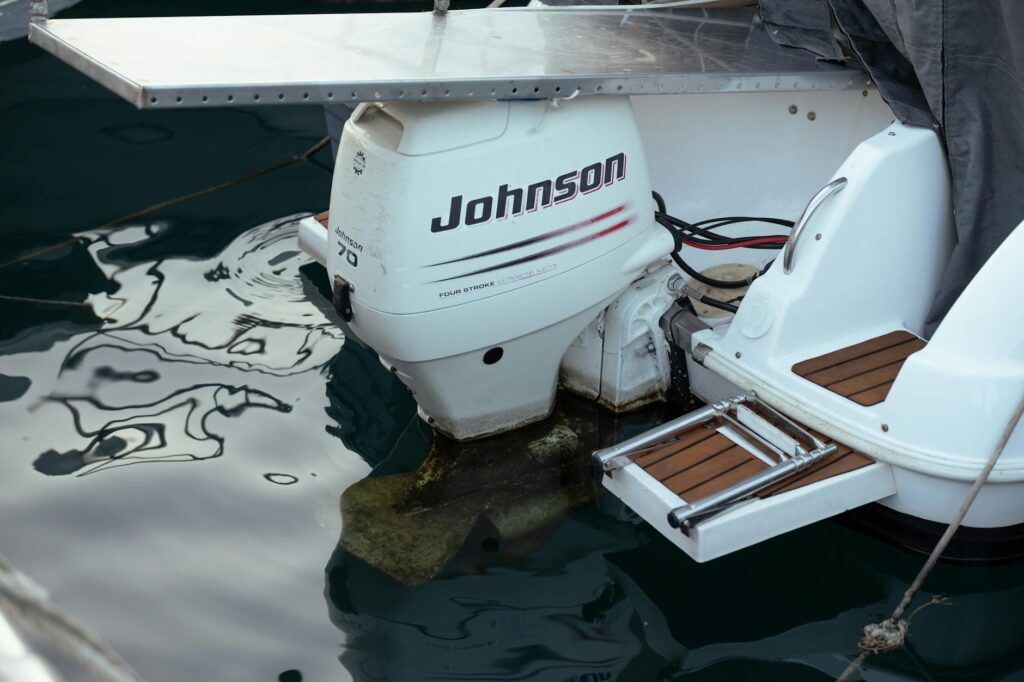
An inboard marine engine is mounted within the boat’s hull, typically amidships or towards the stern. Power is transmitted to a propeller via a drive shaft that passes through the hull, often utilizing a strut and rudder assembly for steering. This setup contrasts sharply with outboard motors — which are self-contained units mounted on the transom.
The engine’s placement within the hull contributes to a boat’s balance and stability. According to BoatUS (2023), a lower center of gravity provided by Inboards can lead to a more comfortable ride, especially when encountering chop or during aggressive maneuvers. This intrinsic stability is a major selling point for cruisers, larger sport fishing vessels, and performance-oriented powerboats where ride quality is really important.
Direct Drive vs. V-Drive Systems
Within the inboard category, two primary configurations exist: direct drive and V-drive. Direct drive systems are the most straightforward, with the engine directly connected to the drive shaft. Inboards offers simplicity and reliability.
V-drive systems, But — use a gearbox to reverse the direction of the drive shaft, allowing the engine to be mounted facing forward, further into the boat. This arrangement maximizes usable cockpit or cabin space. V-drive setups are common in wakeboard and waterski boats — where the engine placement can be optimized for hull performance and wake generation. While both systems use an inboard engine, the V-drive adds complexity and potentially a slight reduction in drivetrain efficiency due to the extra gear set.
The Performance Edge: Torque, Efficiency, and Ride
When considering performance, Inboards often excel in specific areas. As of April 2026, many inboard configurations, especially those featuring diesel engines, offer substantial torque. This power is ideal for pushing heavier hulls through the water, maintaining speed against currents, or accelerating quickly when needed. For instance, a properly spec’d diesel inboard can provide the low-end grunt required for offshore fishing expeditions.
Fuel efficiency is another area where Inboards can shine, especially at cruising speeds. According to data compiled by the Maritime Executive (2024), diesel inboard engines are renowned for their superior fuel economy over prolonged periods compared to gasoline alternatives. While the initial investment in a diesel inboard might be higher, the long-term savings on fuel and the extended engine life can make them a cost-effective choice for high-mileage applications.
The ride quality is perhaps the most frequently cited benefit of it. The engine’s weight, positioned low and centrally, acts as a ballast, reducing hull roll and improving stability. This translates into a more comfortable experience for passengers, especially during offshore excursions or in less-than-ideal sea conditions. This aspect hasn’t changed and remains a key differentiator in 2026.
Maintenance Realities and Considerations
While the performance and stability benefits are clear, potential buyers must confront the maintenance demands of this. The engine’s location inside the hull means access for routine checks, fluid changes, and minor repairs can be challenging. Many boats require lifting to access the underside for tasks like changing shaft seals or inspecting the cutlass bearing. This contrasts with outboards — where most maintenance can be performed with the engine accessible on the transom.
Major overhauls or replacements of inboard engines are more complex and costly efforts. Removing an engine from the hull involves considerable labor and often requires specialized lifting equipment. So, the cost of major inboard engine work can be higher than for equivalent outboard work. A National Marine Manufacturers Association (NMMA) report from 2023 highlighted that while inboard engines can offer longevity, proactive maintenance is critical to avoid escalating repair bills.
Performing your own maintenance on an inboard can be rewarding but requires a dedicated workspace and a solid understanding of marine engine systems. For those who prefer to outsource, finding a qualified marine mechanic experienced with inboard systems is Key. The complexity of some systems, especially those with V-drives or complex exhaust manifolds, means that DIY repairs might be beyond the scope of the average boater.
Aesthetics and Resale Value
Beyond performance and practicality, aesthetics play a role in boat ownership. Inboards allow for a clean, uninterrupted transom — which many find visually appealing, especially on larger yachts, classic vessels, and certain sport boats. This sleek profile is a significant part of the allure for enthusiasts who prioritize the traditional look of a boat.
Resale value for boats with Inboards can be variable. While well-maintained it on desirable hulls can hold their value, the complexity of their maintenance and the market’s growing preference for outboards in some segments can influence depreciation. However, for specific niche markets—like classic wooden boats or certain performance ski boats—this remain highly sought after and command strong prices. According to industry observers, as of April 2026, the market for well-preserved classic Inboards remains strong.
When Are Inboards the Right Choice in 2026?
Given these factors, Inboards aren’t universally superior or inferior. They’re simply different. They’re often the ideal choice for:
- Cruisers and large motor yachts: Where stability, ride comfort, and the sleek transom profile are prioritized.
- Performance waterski and wakeboard boats: Where hull design and engine placement contribute to optimal wake characteristics.
- Boats prioritizing fuel efficiency at cruise: Especially when equipped with diesel engines for extended voyages.
- Owners who value the classic aesthetic: especially for traditional designs or restored vessels.
- Boaters seeking a lower center of gravity for enhanced stability in rough water.
Conversely, if ease of maintenance, shallow draft capabilities, or maximum speed for a given horsepower are your top priorities, an outboard might be a more suitable option. It’s about matching the propulsion system to the intended use and owner’s preferences.
The Evolution of Inboard Technology
The perception of it as technologically stagnant is outdated. As of 2026, manufacturers are integrating advanced systems that enhance user experience and control. Companies like Mercury Marine and Indmar offer sophisticated electronic fuel injection (EFI) systems, digital throttle controls, and integrated steering systems. Some high-end applications even feature joystick control, bringing the maneuverability traditionally associated with pod drives or outboards to the inboard platform.
These technological advancements not only improve performance and efficiency but also simplify operation. The integration of diagnostic tools and digital monitoring systems means that potential issues can often be identified and addressed before they become major problems. This evolution helps to mitigate some of the traditional maintenance concerns.
Frequently Asked Questions
Are inboard engines more reliable than outboards?
Reliability depends heavily on maintenance and specific engine models. Inboards, especially diesel variants, can be exceptionally reliable and long-lasting with proper care. However, their internal placement can make maintenance more complex, potentially leading to issues if neglected. Outboards, with easier access for maintenance, can also be very reliable, but their complexity and exposure to the elements can sometimes lead to different types of problems.
How much more expensive are inboard engines to maintain?
Routine maintenance like oil changes might be comparable, but major servicing on Inboards is generally more expensive due to labor costs associated with accessing the engine. Parts for some inboard systems can also be pricier. As of April 2026, a significant overhaul on an inboard could easily cost thousands more than a similar job on an outboard, primarily driven by labor.
Can you trim an inboard boat like an outboard?
Traditional Inboards don’t have a trim function in the same way outboards do, as the propeller is fixed relative to the hull. However, trim tabs can be installed on the transom to adjust the running angle of the boat, providing a similar effect. Some modern inboard systems, like Volvo Penta’s IPS (Inboard Performance System), incorporate steerable pods that offer trim and a wider range of maneuverability.
what’s the typical lifespan of an inboard marine engine?
A well-maintained gasoline inboard engine might last 1,500 to 2,500 hours. Diesel inboard engines, known for their durability, can often exceed 5,000 to 10,000 hours before requiring a major overhaul, provided they receive consistent, high-quality maintenance. These figures are based on general industry standards as of 2026.
Are inboard boats good for saltwater?
Yes, inboard boats can be excellent for saltwater, but they require diligent maintenance due to corrosion. Engines, exhaust systems, and drive components must be flushed regularly after saltwater use, and corrosion-resistant materials are essential. Many modern diesel it are In particular designed with saltwater environments in mind, incorporating advanced coatings and materials.
Conclusion: The Continued Viability of Inboards
Inboards are far from obsolete in 2026. While outboards dominate certain segments of the market, Inboards continue to offer a compelling package of stability, ride comfort, torque, and aesthetic appeal that’s difficult to match. Their suitability hinges on the specific boating application and the owner’s priorities. For those who value a smooth, stable ride, superior low-end power, and a classic profile, an inboard remains an excellent choice. As technology advances, modern inboard systems are addressing historical drawbacks related to maneuverability and maintenance, ensuring their continued relevance for years to come. When choosing your next vessel, don’t dismiss the inboard. Evaluate its unique strengths against your personal boating needs.
Related read: Marine Engine Index: Your 2026 Performance Guide
Editorial Note: This article was researched and written by the Perform Marine editorial team. We fact-check our content and update it regularly. For questions or corrections, contact us.