🕑 10 min read📄 1,711 words📅 Updated Apr 27, 2026
🎯 Quick AnswerMarine jobs in 2026 offer diverse opportunities across shipping, offshore energy, shipbuilding, and environmental science, driven by global trade and sustainability initiatives. Key sectors like offshore wind are expanding rapidly, creating demand for skilled professionals with competitive earning potential.
l demand for specialized roles, including turbine technicians, O&M specialists, and project managers, presenting a major new avenue for maritime employment.
Continuous professional development, certifications from bodies like the International Maritime Organization (IMO), and networking are Key for career advancement in this dynamic field.
This guide covers everything about Jobs. The marine industry is a cornerstone of the global economy, facilitating over 80% of world trade by volume. In 2026, its importance is highlightd by ongoing investments in fleet modernization, sustainable shipping solutions, and expanded port infrastructure. Current job market within this vast sector is the first step toward a rewarding career.
Last updated: April 29, 2026
Key Sectors for Marine Jobs in 2026
The maritime world isn’t a monolith. It’s a collection of interconnected industries, each with its unique demands and opportunities. As of April 2026, several sectors are especially vibrant and offer excellent prospects for those looking to enter or advance their careers.
Commercial Shipping and Logistics
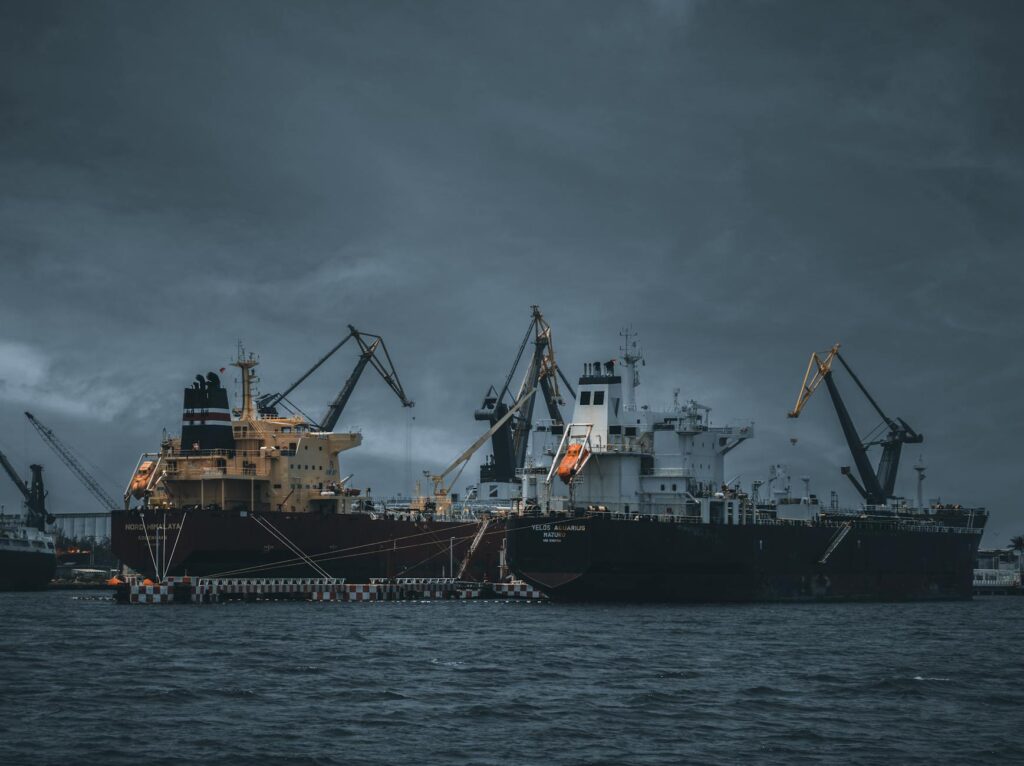
Here’s the largest segment, encompassing container ships, tankers, bulk carriers, and ferries. Jobs range from deck officers and engineers to logistics coordinators, port managers, and crew. The demand for skilled seafarers remains high, driven by global trade volumes. The ongoing digitalization of shipping also creates roles in data analysis and fleet management software operation. According to the United Nations Conference on Trade and Development (UNCTAD) (2024), global shipping activity continues to be a dominant force in international commerce, ensuring sustained job creation in this area.
Offshore Energy (Oil, Gas, and Renewables)
While traditional oil and gas exploration continues, the significant growth area is offshore wind energy. This sector requires a highly specialized workforce for the construction, operation, and maintenance of wind farms. Roles such as offshore wind turbine technicians, project engineers, and maritime support vessel operators are in high demand. The transition to renewable energy sources is reshaping this sector, making it a dynamic field for future marine jobs. As of 2026, investments in offshore wind infrastructure are projected to create tens of thousands of new jobs globally over the next decade.
Shipbuilding and Repair
The construction and maintenance of vessels, from super yachts to massive cargo ships and naval vessels, represent a significant employment hub. This sector requires skilled trades people, engineers (naval architects, mechanical, electrical), welders, fabricators, and project managers. Modern shipbuilding increasingly incorporates advanced materials and automated processes, demanding a workforce adaptable to new technologies. The development of eco-friendly vessel designs is also a key driver for innovation and employment here.
Marine Science and Environmental Services
With growing global awareness of ocean health and climate change, careers in marine science, oceanography, marine biology, and environmental consulting are expanding. These roles often involve fieldwork on research vessels, data analysis, policy advising, and conservation efforts. Positions can be found in governmental agencies, research institutions, non-profits, and private environmental firms. A strong scientific background, coupled with practical marine experience, is typically required.
Yachting and Leisure Craft
This segment includes the design, construction, operation, and maintenance of recreational vessels. It offers roles for captains, engineers, deckhands, interior crew, brokers, and marina managers. The superyacht industry, in particular, is known for its high earning potential and demanding lifestyle. As of April 2026, the demand for experienced and certified yacht crew remains consistently strong, especially for those with specialized skills in hospitality and technical maintenance.
Salary Expectations and Earning Potential in 2026
Compensation in the marine industry varies based on the sector, role, experience level, and geographic location. However, as of 2026, the overall earning potential is competitive, especially for specialized or high-responsibility positions.
| Role Category |
Typical Salary Range (USD Annual) |
Notes |
| Entry-Level Deckhand/Stewardess |
$35,000 – $50,000 |
Often includes room and board. |
| Junior Engineer/Officer |
$50,000 – $75,000 |
Requires certifications like STCW. |
| Experienced Captain/Chief Engineer |
$80,000 – $150,000+ |
Varies greatly by vessel size and type. |
| Naval Architect/Marine Engineer |
$70,000 – $120,000 |
Requires degree and professional licensure. |
| Offshore Wind Technician |
$60,000 – $90,000 |
High demand, physically demanding. |
| Port Operations Manager |
$75,000 – $110,000 |
Requires logistics and management experience. |
remember that these figures are estimates as of April 2026. Actual salaries can be influenced by specific company pay scales, union agreements, and the lucrative nature of bonus structures, especially in project-based roles or on private yachts. For seafarers, contracts often involve periods of intense work followed by extended leave — which is a factor in overall compensation and lifestyle. Check the official sources for current figures.
Essential Skills for Marine Careers in 2026
Beyond specific technical qualifications, success in marine jobs hinges on a blend of hard and soft skills. The industry’s global nature and inherent challenges demand adaptability and resilience.
Technical Proficiencies
Depending on the role, these can include:
- Navigation and Seamanship: Essential for deck officers and captains.
- Marine Engineering: Understanding and maintaining propulsion systems, hydraulics, and auxiliary machinery.
- Naval Architecture: Knowledge of vessel design, stability, and hydrodynamics.
- Offshore Operations: Expertise in renewable energy systems, oil and gas platforms, or subsea operations.
- Safety Protocols: Strict adherence to safety regulations, including those mandated by the International Maritime Organization (IMO).
- Digital Skills: Proficiency with navigation software, communication systems, data logging, and potentially AI-driven operational tools.
Soft Skills
These are increasingly critical:
- Problem-Solving: Ability to diagnose and resolve complex technical issues under pressure.
- Teamwork: Marine environments require close collaboration with diverse crews.
- Communication: Clear communication is vital for safety and operational efficiency, especially across language barriers.
- Adaptability: The ability to adjust to changing conditions, new technologies, and demanding schedules.
- Resilience: Mental fortitude to handle isolation, challenging weather, and long periods away from home.
- Environmental Awareness: Understanding and implementing sustainable practices is a growing expectation.
Navigating Your Job Search in the Maritime Sector
Finding the right marine jobs in 2026 involves a strategic approach. The industry relies heavily on specialized knowledge and verified credentials.
Certifications and Qualifications
For seagoing roles, certifications are non-negotiable. The Standards of Training, Certification and Watch keeping for Seafarers (STCW) convention sets the global standard. Depending on your chosen path, you’ll need specific endorsements for your role (e.g., tanker operations, dynamic positioning, specific engine types). For shore-based roles like naval architecture or marine engineering, a relevant degree from an accredited institution and potentially professional engineering licensure (e.g., PE license in the US) are typically required. Organizations like the Society of Naval Architects and Marine Engineers (SNAME) offer resources and networking opportunities.
Networking and Industry Connections
The maritime industry often operates through established networks. Attending industry conferences, joining professional organizations, and connecting with professionals on platforms like LinkedIn can open doors. Many jobs, especially senior ones, are filled through referrals. Building a reputation for reliability and competence is really important.
using Online Resources
While traditional methods remain relevant, online job boards specializing in maritime and offshore roles are invaluable. Websites like Maritime-Executive.com, AllJobsAtSea.com, and specific company career pages are excellent resources. Don’t underestimate the value of company websites for direct applications, especially for larger organizations such as Maersk, Shell (for offshore roles), or Wärtsilä (for marine technology and engineering). As of April 2026, many companies are also actively recruiting through their social media channels.
The Future of Marine Jobs: Sustainability and Technology
Looking ahead, the marine industry is on the cusp of significant transformation, largely driven by the imperative for sustainability and rapid technological advancement. Jobs requiring expertise in green technologies—such as ammonia or hydrogen fuel systems, battery-electric propulsion, and advanced hull coatings for efficiency—will see exponential growth. The integration of AI and automation in navigation, operations, and maintenance will also reshape existing roles and create new ones focused on managing these sophisticated systems. Professionals who commit to continuous learning and upskilling in these areas will be best positioned for success in the evolving world of marine employment.
Frequently Asked Questions
What are the most in-demand marine jobs for 2026?
As of April 2026, the most in-demand roles include offshore wind technicians, marine engineers, naval architects, skilled shipbuilders, specialized deck officers, and logistics coordinators, especially those with expertise in sustainable shipping solutions.
what’s the average salary for a marine engineer in 2026?
The average salary for a marine engineer in 2026 typically ranges from $70,000 to $120,000 annually, depending on experience, specialization (e.g., propulsion systems, electrical systems), and the employer’s location and size.
Do I need specific certifications to work on a ship?
Yes, most seagoing roles require specific certifications, primarily governed by the STCW convention. These cover basic safety, security awareness, and role-specific competencies, ensuring international standards of training and safety are met.
How important is environmental knowledge for marine jobs in 2026?
Environmental knowledge and a commitment to sustainable practices are increasingly important across all marine sectors, from shipping operations to offshore energy and resource management, driven by regulatory changes and industry-wide goals.
What are the career prospects for entry-level positions in the marine industry?
Entry-level prospects are solid, especially in areas like deckhand roles, junior engineering positions, and port operations support. These roles provide foundational experience necessary for career advancement, often serving as a stepping stone to more specialized or senior positions.
The marine industry offers a dynamic and rewarding career path for those with the right skills and dedication. As of April 2026, the sector is vibrant, with opportunities spanning traditional maritime operations, burgeoning renewable energy sectors, and latest technological advancements. By focusing on acquiring relevant qualifications, developing essential technical and soft skills, and actively networking, individuals can successfully launch and advance their careers in this essential global industry.
Editorial Note: This article was researched and written by the Perform Marine editorial team. We fact-check our content and update it regularly. For questions or corrections, contact us.
P
Perform Marine Editorial TeamOur team creates thoroughly researched, helpful content. Every article is fact-checked and updated regularly.