
When Is Marine Service Truly Necessary?
Ensuring your boat operates at peak performance isn’t just about enjoying smooth sailing; it’s about safety, reliability, and preserving the value of your investment. Proactive marine service is the cornerstone of responsible boat ownership, preventing minor issues from escalating into major, expensive problems. Many owners underestimate the cumulative impact of regular upkeep, viewing it as an optional expense rather than a critical necessity. This piece will guide you through the essential aspects of marine service, offering practical advice tailored for the UK and European boating community.
Marine service is the comprehensive process of inspection, maintenance, and repair required to keep a boat and its systems functioning optimally. It encompasses everything from routine engine checks and hull cleaning to complex electrical system diagnostics and safety equipment verification. Consistent and professional marine service ensures seaworthiness, enhances performance, and significantly extends the lifespan of your vessel.
The Crucial Role of Preventative Maintenance
Preventative maintenance is the bedrock of reliable marine operation. Think of it like regular check-ups with your doctor; catching potential issues early saves immense trouble down the line. For marine engines, this means adhering to the manufacturer’s recommended service intervals. For example, a typical four-stroke outboard might require an oil change and filter replacement annually or after a set number of running hours, whichever comes first. According to BoatUS (2023), neglecting these basic fluid changes is one of the leading causes of premature engine failure, costing owners thousands in repairs.
Beyond the engine, preventative measures extend to the hull, electrical systems, plumbing, and safety gear. Regular hull cleaning, particularly in European waters where fouling can be aggressive, prevents drag and protects the gel coat. Checking bilge pumps, fire extinguishers, and navigation lights ensures your vessel remains safe and compliant with maritime regulations. The Royal Yachting Association (RYA) consistently emphasizes the importance of pre-season checks to avoid breakdowns at sea.
Understanding Your Outboard or Inboard Engine Service Needs
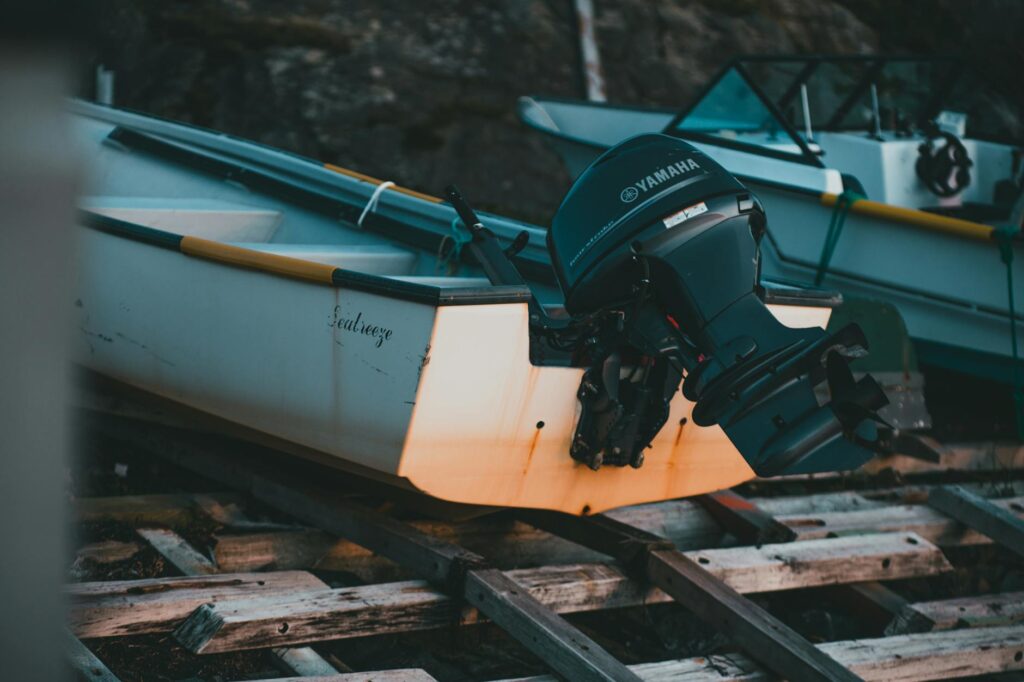
Your boat’s engine is its heart, and it demands regular attention. Whether you have an outboard or an inboard setup, the core principles of engine service remain similar, though specific components may differ. For a typical outboard engine service, key tasks include:
- Fluid Changes: Engine oil, gear case oil, and coolant (if applicable) should be changed at recommended intervals. Use only the specific oil grades recommended by the manufacturer, such as Yama lube for Yamaha engines or Quicksilver for Mercury.
- Filter Replacements: Fuel filters and oil filters trap contaminants, preventing them from entering sensitive engine parts.
- Spark Plug Inspection/Replacement: Worn spark plugs lead to inefficient combustion, reduced power, and increased fuel consumption.
- Impeller Check: The water pump impeller is critical for cooling. It degrades over time and can fail, leading to overheating. Check it during annual servicing.
- Corrosion Inspection: Especially important in saltwater environments, check for signs of corrosion on anodes, fuel lines, and electrical connections.
For inboard engines, the service list often includes additional items like checking and adjusting valve clearances, inspecting exhaust manifolds for corrosion, and servicing the raw water cooling system more thoroughly. Brands like Yanmar and Volvo Penta have specific service requirements detailed in their manuals. A well-serviced engine not only performs better but also offers greater fuel efficiency and a longer operational life.
Hull and Below-the-Waterline Maintenance
The part of your boat that spends the most time in the water requires just as much care as the engine. Hull maintenance is vital for both performance and longevity. Regular hull cleaning, typically done every 3–6 months depending on your location and the local marine growth, removes barnacles, algae, and slime. This fouling increases drag, significantly reducing speed and fuel efficiency—studies suggest a fouled hull can reduce efficiency by up to 20%.
Beyond cleaning, periodic inspections for osmotic blistering (gel coat degradation) and damage are crucial. For boats stored on moorings or in dry docks, antifouling paint application is a key service. The type of antifouling needed depends on the water type (salt or fresh) and usage patterns. European regulations, such as those concerning biocides in antifouling paints, mean selecting the right product is essential. For instance, some copper-based antifouling may face restrictions in certain areas, prompting the use of alternative, environmentally friendlier options. According to The Environment Agency, responsible selection and application of antifouling paints are important for protecting aquatic ecosystems.
Electrical and Navigation Systems: Keeping You Connected and Safe
Modern boats are complex networks of electrical and electronic systems. From basic battery maintenance and wiring checks to sophisticated GPS and radar units, these systems need regular attention. A common service task is checking battery health and terminal connections. Poor connections can lead to intermittent power failures or even a complete loss of electrical power, which is a serious safety hazard offshore.
Navigation equipment, such as chart plotters and VHF radios, should be tested regularly, especially before long voyages. Software updates for navigation systems are often released, providing improved functionality and updated charts. For example, updates for Ray marine or Garmin MFDs (Multi-Function Displays) can enhance chart drawing speed and introduce new weather routing features. Ensuring your AIS (Automatic Identification System) is functioning correctly is also critical for collision avoidance, as highlighted by the International Maritime Organization (IMO).
When to Seek Professional Boat Repair Services
While many maintenance tasks can be performed by diligent owners, some require specialist knowledge and equipment. Boat repair UK specialists are equipped to handle complex issues that could otherwise lead to significant damage or safety risks. These include:
- Engine Overhauls: Major internal engine repairs or rebuilds demand expertise and specialized tools.
- Hull Repairs: Significant damage, deep scratches, or structural issues require professional fiberglass or composite repair skills.
- Complex Electrical Faults: Diagnosing and repairing intricate wiring problems or electronic failures often needs a marine electrician.
- Transmission and Drive System Issues: Problems with gearboxes, stern drives, or jet drives require specialized knowledge.
- Rigging and Sail Repairs (for sailing vessels): While not engine-related, these are critical structural components requiring professional attention.
Choosing a reputable marine service center is paramount. Look for certifications, customer reviews, and clear communication regarding costs and timelines. Perform Marine, for instance, prides itself on transparent pricing and highly skilled technicians certified by leading engine manufacturers.
Seasonal Checks and Winterization
Boats operating in regions with cold winters, such as much of the UK and Northern Europe, require specific seasonal checks, most notably winterization. This process protects the engine and other water-dependent systems from freeze damage. It typically involves draining cooling systems, flushing with antifreeze, stabilizing fuel, and protecting internal engine components from corrosion during storage. Improper winterization is a leading cause of expensive repairs when spring arrives. For example, allowing water to freeze within the engine block can cause catastrophic cracking. According to Mystic Seaport Museum (though historical, their maritime expertise underscores the importance of preservation), proper storage and maintenance are key to vessel longevity.
Conversely, spring commissioning involves recommissioning the boat after winter storage. This includes reversing the winterization process, checking all systems, ensuring batteries are charged, and performing necessary fluid changes before the first launch of the season. A thorough spring check can prevent many issues that might otherwise arise during the initial outings.
Frequently Asked Questions
How often should I service my boat’s engine?
Consult your engine manufacturer’s manual for specific intervals, typically annually or after a set number of running hours (e.g., 100-200 hours). Regular fluid changes and filter replacements are critical.
What is the difference between servicing and repair?
Servicing is preventative maintenance performed on a regular schedule to keep the boat in good working order. Repair is corrective action taken to fix something that’s broken or malfunctioning.
Can I perform basic engine service myself?
Yes, many owners can perform basic tasks like oil and filter changes, spark plug replacement, and propeller checks, provided they have the right tools and follow the manufacturer’s guidelines.
What are the most common boat repairs?
Common repairs include issues with the cooling system (impeller failure), fuel system problems (clogged filters, water in fuel), electrical faults (battery issues, wiring problems), and gel coat or hull damage.
How much does marine service typically cost?
Costs vary widely based on boat size, engine type, and the scope of work. A basic annual outboard service might range from £200-£500, while major inboard engine work or hull repairs can cost thousands.
Conclusion: Invest in Your Vessel’s Future
Consistent, professional marine service isn’t an expense; it’s an investment. It safeguards your enjoyment on the water, ensures the safety of yourself and your passengers, and protects the significant financial asset that your boat represents. By understanding the key areas of maintenance—from engines and hulls to electrical systems—and by partnering with trusted professionals like Perform Marine for tasks beyond your comfort zone, you can ensure your vessel remains in prime condition for years to come. Don’t wait for a breakdown; schedule your comprehensive marine service today and experience the peace of mind that comes with a perfectly maintained boat.