
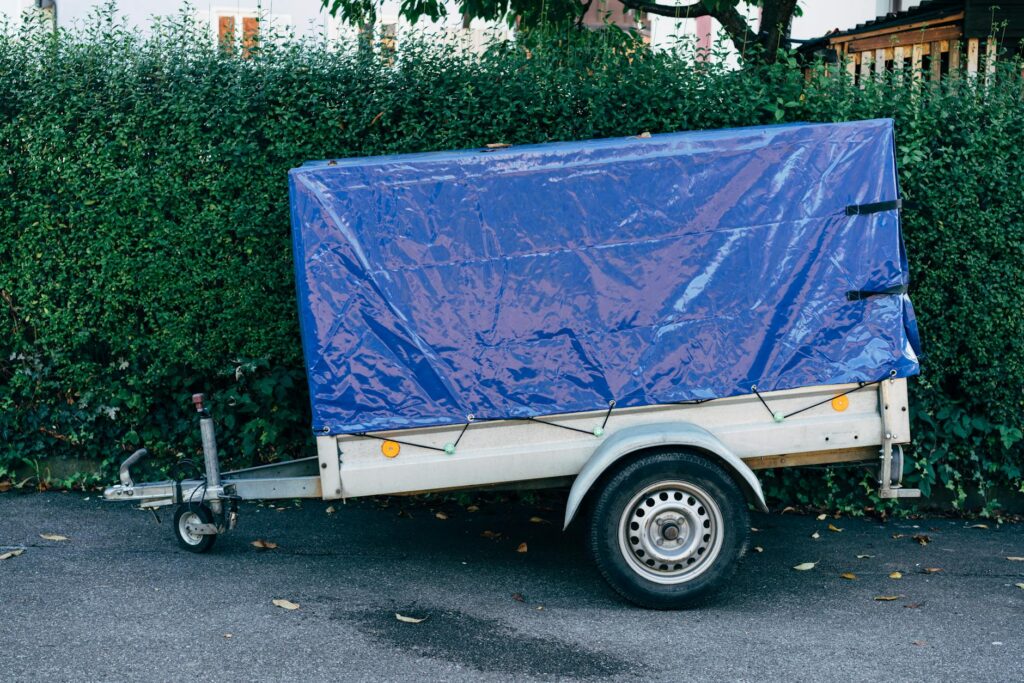
Bunk Single Axle: Is It Really Your Best Bet?
the choice of trailer is really important. For many, the simplicity and perceived lower cost of a bunk single axle trailer make it an attractive option. However, this setup isn’t a one-size-fits-all solution. limitations and specific use cases for a bunk single axle trailer is Key for safe transport and preventing costly damage to both your boat and the trailer itself.
Last updated: April 24, 2026
A bunk single axle trailer is best suited for lighter boats, typically under 20 feet in length and weighing less than 3,000 pounds, primarily for short-distance travel on well-maintained roads. Its primary advantage lies in its simpler construction and potentially lower purchase price compared to multi-axle or roller systems.
The Core Functionality of Bunk Trailers
Bunk trailers, regardless of their axle configuration, use padded surfaces the bunks to support the hull of the boat. These bunks are designed to distribute the weight of the boat evenly across a larger surface area. Unlike roller trailers — which use a series of rollers to support the keel and chines, bunk systems offer a more stable cradle for the hull, especially when the boat is stationary on the trailer. You can be a significant advantage in preventing hull distortion over time.
The primary function of the bunks is to provide a soft, supportive landing for the boat’s hull. they’re typically covered in durable materials like carpet or specialized vinyl, designed to protect the gel coat and fiberglass. Proper adjustment of these bunks is critical. they must align precisely with the boat’s hull contours to ensure weight is distributed correctly and prevent pressure points that could lead to damage.
Understanding Single Axle Limitations
The ‘single axle’ part of the equation is where many potential pitfalls lie. A single axle trailer has its entire load capacity concentrated over one set of wheels. According to the National Highway Traffic Safety Administration (NHTSA) (2022), tire and axle load ratings are critical safety factors. A single axle has a finite weight limit. Exceeding this limit doesn’t just put stress on the axle. it compromises braking ability, tire longevity, and overall trailer stability.
For a typical single axle trailer, you might find load capacities ranging from 2,000 to 3,500 pounds, and this figure includes the weight of the boat, plus the trailer’s own weight, fuel, water, and any gear stored onboard. It’s a common mistake for owners of boats that are nearing the upper limit of a single axle’s capacity to assume it’s sufficient. A 22-foot boat, for instance, can easily exceed 3,000 pounds, making a single axle trailer an unsafe choice.
When is a Bunk Single Axle Trailer Appropriate?
This trailer configuration truly shines for smaller, lighter craft. Think Jon boats, smaller aluminum fishing boats, kayaks, or dinghies. Here are often boats that don’t exceed 18 feet and weigh well under 2,000 pounds. For these applications, a bunk single axle trailer provides a cost-effective, simple, and stable way to transport your vessel.
Also, they’re ideal for boat owners who primarily use their trailer for short trips to a local ramp or lake. The reduced number of moving parts (only one axle and hub assembly) means there’s potentially less maintenance. If you’re launching and retrieving your boat infrequently and on familiar, smooth terrain, the simplicity can be a real benefit. According to BoatUS (2023), regular inspections of tires and wheel bearings are essential for all trailer types, but the stakes are higher with a single axle due to the concentrated load.
The Risks of Overloading and Misapplication
The most significant risk associated with a bunk single axle trailer is overloading. When overloaded, the trailer’s suspension is compressed beyond its intended limits, leading to a harsh ride that can damage the boat’s hull. More critically, the brakes (if equipped) will be less effective. The increased tongue weight can also negatively affect the towing vehicle’s handling, leading to dangerous situations, especially during emergency braking.
Consider a scenario where a boat slightly exceeds the trailer’s rated capacity. The tires, rated for a certain load and inflation pressure (check the sidewall for the maximum PSI, often around 65 PSI for trailer tires), will overheat and can fail catastrophically. A tire blowout on a single axle trailer is far more dangerous than on a tandem or triple axle setup because the entire load shifts dramatically to the remaining tire, if one exists. You can cause the trailer to fishtail uncontrollably.
Maintenance: Essential for Single Axle Longevity
While simpler, a single axle trailer still demands diligent maintenance. The most Key aspects include:
- Tire Pressure: Consistently check and maintain the recommended tire pressure. Underinflation is a leading cause of tire failure. According to Tire Industry Association recommendations, proper inflation is key to maximizing tire life and safety.
- Wheel Bearings: These are vital. Because all the load is on one hub, bearing failure can be catastrophic. Inspect for grease leakage and listen for grinding noises. Regular greasing, typically every 12–24 months or as per manufacturer recommendations (e.g., Dexter Axle provides detailed guides), is essential.
- Brake Systems: If your trailer has brakes (surge or electric), ensure they’re functioning correctly. A single axle trailer with effective brakes is safer than a heavier tandem axle trailer with none.
- Lights and Wiring: Check all running lights, brake lights, and turn signals before every trip. Faulty lighting is a common cause of accidents and tickets.
- Frame and Bunks: Inspect the frame for rust or cracks, and ensure the bunk carpet or covering is secure and not excessively worn — which could expose the hull to damage.
Alternatives to Consider
If your boat is larger, heavier, or you frequently travel longer distances, you should seriously consider alternatives. tandem axle trailers offer twice the load capacity and, Keyly, provide a safety net if one tire fails. The weight is distributed over four tires, offering greater stability and braking power. For very heavy or long boats, triple axle trailers provide the maximum load capacity and stability. Roller trailers, while sometimes more expensive and requiring more maintenance than bunk systems, can be easier to load and unload, especially in shallow ramps, and they distribute weight differently — which can be beneficial for specific hull types.
The decision between a single axle and a multi-axle trailer often comes down to a balance between initial cost and long-term safety and reliability. Don’t let the allure of a lower price tag compromise the safety of your boat and other road users.
Frequently Asked Questions
what’s the typical weight capacity of a bunk single axle trailer?
The typical weight capacity for a bunk single axle trailer generally ranges from 2,000 to 3,500 pounds. This capacity must account for the boat, trailer weight, fuel, and all gear. Always check the manufacturer’s specifications for the exact rating.
Can a single axle trailer safely haul a 22-foot boat?
It’s unlikely. Most 22-foot boats, depending on their construction and features, will weigh over 3,000 pounds, often exceeding the safe limit for a standard single axle trailer. A tandem axle trailer is usually the minimum recommended for boats of this size.
What are the main advantages of a bunk trailer over a roller trailer?
Bunk trailers offer better hull support, distributing weight across a wider, padded surface which can prevent deformation over time, especially for boats stored on the trailer for extended periods. They can also be simpler and require less maintenance than complex roller systems.
How often should I check the tire pressure on my single axle trailer?
You should check the tire pressure before every use, or at least monthly. Tires can lose pressure over time due to temperature changes and slow leaks. Maintaining proper inflation is Key for safety and tire longevity.
what’s the biggest risk of using a single axle trailer for a heavy boat?
The biggest risk is catastrophic tire failure due to overloading and overheating — which can lead to loss of control. Also, overloading severely compromises braking performance and can cause damage to the boat’s hull and the trailer’s axle and suspension components.
Making the Right Choice for Your Boat
The bunk single axle trailer has its place in the marine world, primarily for smaller, lighter vessels and short-distance transport. Its simplicity and lower cost are appealing, but these benefits can quickly be overshadowed by safety concerns and potential damage if misapplied. Always err on the side of caution. Consult your boat’s manufacturer for its dry weight, and factor in all additional weight before selecting a trailer. For anything beyond the lightest craft, a multi-axle setup is almost always the safer, more reliable long-term investment. Don’t compromise on safety. choose the trailer that genuinely fits your boat and your travel needs.