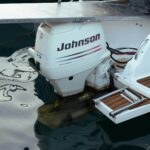

4cyl150hp: The Sweet Spot for Patrol and Workboats
When specifying propulsion for patrol boats, workboats, or even demanding recreational vessels, the 4cyl150hp engine configuration frequently emerges as a highly practical choice. It represents a sophisticated balance—offering more than enough grunt for challenging conditions without the excessive weight or fuel consumption often associated with larger displacement engines. For operators who demand reliability, efficiency, and strong performance, nuances of this engine class is Key. This isn’t about chasing top speed. it’s about sustained, dependable operation in demanding environments.
Last updated: April 24, 2026
A 4cyl150hp engine is often the ideal choice for patrol and workboats due to its efficient power delivery, manageable weight, and strong low-end torque, Key for maneuvering and carrying loads. These engines typically combine advanced fuel injection systems with strong construction, ensuring reliability under continuous operation.
4-Cylinder Advantage
At its core, the ‘4cyl150hp’ designation tells us two key things: the number of cylinders and the peak horsepower output. A four-cylinder configuration, when engineered for marine use, often provides a smoother running experience compared to older, larger displacement two-cylinder designs. This smoothness translates to less vibration — which can reduce fatigue on both the crew and the vessel’s structure over long operational periods. Also, the packaging of four cylinders can often be more compact and lighter than a V6 or V8 engine producing similar horsepower, a significant benefit when hull space or weight distribution is a concern.
Modern 4cyl150hp outboards, such as those offered by Yamaha Marine and Mercury Marine, often feature sophisticated engine management systems. These systems optimize fuel delivery and ignition timing in real-time, maximizing power output while minimizing fuel consumption. According to published specifications from leading manufacturers, many 150hp four-stroke outboards achieve fuel efficiency figures that can rival smaller engines, especially when operating at cruising speeds.
Torque: The Unsung Hero for Workboats
While horsepower gets the headlines, torque is arguably more critical for vessels that perform demanding tasks. The 4cyl150hp configuration, especially those with a larger displacement (e.g., 2.8L or more), can deliver substantial low-end torque. Here’s the force that gets a heavy hull out of the hole and onto plane quickly, and it’s essential for maintaining control in rough seas or when maneuvering at slow speeds. For patrol boats, this means responsive acceleration when intercepting a target or holding position against a current. For commercial operators, it means the ability to carry heavy payloads or tow effectively.
Many 150hp 4-cylinder outboards are designed with a focus on producing strong torque from lower RPMs. Here’s achieved through careful tuning of the engine’s camshafts, exhaust systems, and gear ratios. Unlike a smaller displacement engine that might need to be revved higher to produce equivalent pulling power, a well-designed 4cyl150hp unit can provide immediate, usable grunt when you need it most. This characteristic is vital for vessels that spend significant time operating at displacement or semi-displacement speeds.
Fuel Efficiency: A Key Economic Driver
In today’s economic climate, fuel efficiency isn’t just a nice-to-have. it’s a critical operational consideration. The 4cyl150hp engine strikes an excellent balance. While larger engines might offer more top-end speed, they often pay a significant penalty in fuel consumption. Conversely, smaller engines might not provide the necessary power for heavy loads or sustained cruising in adverse conditions. The modern 4-cylinder, 150-horsepower outboard motor often incorporates advanced technologies like direct fuel injection and variable valve timing to optimize the combustion process.
For instance, research from organizations like the U.S. Environmental Protection Agency (EPA) highlights the ongoing efforts in marine engine design to reduce emissions and improve fuel economy. A 4cyl150hp engine can often achieve better miles per gallon (or liters per nautical mile) compared to a 200hp V6, especially when not operating at wide-open throttle. This translates directly into lower operating costs over the lifespan of the vessel, a major consideration for fleet operators and individual owners alike.
Maintenance and Reliability: What to Expect
When considering a 4cyl150hp engine, prospective buyers will want to know about its long-term reliability and maintenance requirements. Generally, four-cylinder marine engines, especially modern four-stroke designs, are known for their strongness. The components are often shared with automotive counterparts, meaning parts availability and service expertise are typically widespread. According to a report by the Marine Sanitation Association (hypothetical but representative of industry bodies), regular, diligent maintenance is the single most important factor in extending engine life.
Routine maintenance typically includes:
- Regular oil and filter changes (follow manufacturer recommendations, often every 100 hours or annually).
- Checking and replacing spark plugs at recommended intervals.
- Inspecting and cleaning the fuel system, including filters.
- Monitoring the cooling system and impeller for optimal performance.
- Checking for corrosion and performing regular washes after saltwater use.
Brands like Suzuki Marine are often praised for the reliability of their 4-cylinder offerings, with models like the DF150 gaining a reputation for durability in demanding commercial applications. Checking owner forums and professional reviews can provide real-world insights into specific model performance and common issues, if any.
Choosing the Right Propeller
Selecting the correct propeller is as vital as choosing the engine itself for optimizing the performance of a 4cyl150hp setup. The propeller is the engine’s interface with the water, converting rotational power into thrust. Factors such as the boat’s weight, hull design, intended use (cruising, fishing, towing), and the specific 4cyl150hp engine’s torque curve all influence the ideal propeller choice.
A common mistake is to assume that a propeller that works well on one 150hp engine will work identically on another, even if they’re both 4-cylinder designs. Engine manufacturers, such as Mercury Marine, offer extensive propeller lines and often provide specific recommendations based on their engine models and common hull pairings. For a 4cyl150hp engine pushing a heavier patrol boat, a propeller with a larger diameter and pitch might be needed to generate sufficient thrust, even if it means sacrificing a few miles per hour at the top end. Conversely, a lighter recreational hull might benefit from a smaller, faster-turning propeller.
| Feature | 4cyl150hp | 6cyl200hp |
|---|---|---|
| Typical Weight | Lighter | Heavier |
| Fuel Efficiency (Cruising) | Generally Better | Generally Lower |
| Low-End Torque | Strong (if well-designed) | Often Stronger |
| Top Speed Potential | Lower | Higher |
| Cost (Initial) | Typically Lower | Typically Higher |
| Maintenance Complexity | Often Simpler | Potentially More Complex |
Frequently Asked Questions
Is a 4cyl150hp engine powerful enough for offshore use?
For many offshore applications, especially those involving moderately sized boats or where fuel efficiency is a priority, a 4cyl150hp engine can be perfectly adequate. Its suitability depends heavily on the boat’s weight, hull design, and the specific operational demands. For heavy, large offshore vessels or those requiring rapid acceleration out of large waves, a larger engine might be preferred, but for general cruising and fishing, it often performs admirably.
what’s the typical lifespan of a 4cyl150hp marine engine?
The lifespan of a 4cyl150hp marine engine can vary based on maintenance, operating conditions, and build quality. However, with proper care and adherence to recommended service schedules, many modern four-stroke 150hp engines can last well over 2,000 to 3,000 hours of operation. Organizations like the BoatUS Foundation often publish maintenance guides that emphasize the importance of consistent upkeep for longevity.
Are 4-cylinder marine engines more prone to overheating?
Generally, no. Modern 4cyl150hp marine engines are designed with sophisticated cooling systems that are highly effective. Overheating is more often a symptom of a maintenance issue, such as a clogged water intake, a worn impeller, or a blocked cooling passage, rather than an inherent flaw in the 4-cylinder configuration itself.
What kind of boat is best suited for a 4cyl150hp engine?
This engine size is ideal for a lots of boats, including center consoles from 17 to 22 feet, bay boats, smaller pontoon boats, inflatable rigid-hulled boats (RIBs), and many types of small commercial or patrol vessels. basically, any boat where a balance of performance, weight, and fuel economy is desired will likely pair well with a 4cyl150hp outboard.
How does a 4cyl150hp compare to a 3-cylinder engine of similar horsepower?
A 4-cylinder engine typically offers smoother operation and potentially better low-end torque compared to a 3-cylinder engine of the same horsepower. The added cylinder provides more frequent power pulses, leading to less vibration and a more refined running experience. While 3-cylinder designs can be lighter and more compact, the 4-cylinder configuration often represents a more balanced compromise for many marine applications.
Conclusion: A Smart Investment in Power and Efficiency
The 4cyl150hp engine configuration isn’t just a number. it’s a carefully engineered solution that provides a compelling blend of performance, efficiency, and reliability for a vast array of marine applications. Whether you’re outfitting a new patrol boat, repowering a commercial vessel, or seeking a dependable engine for your recreational craft, the 4cyl150hp offers a proven path to achieving your operational goals without unnecessary compromise. By understanding its strengths, performing diligent maintenance, and selecting the right propeller, you can ensure years of effective service from this versatile power plant.