The Enduring Legacy of Johnson Outboards
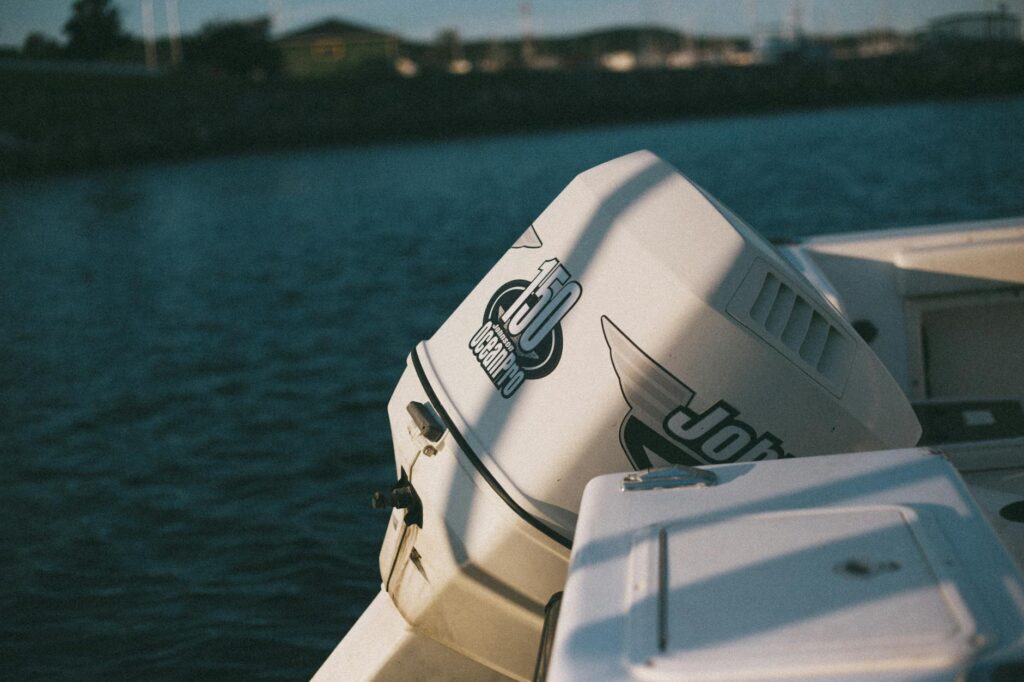
For many boaters, the name Johnson evokes memories of reliable journeys and the distinctive sound of a dependable outboard. From the 1920s through the early 2000s, Johnson Outboards were a dominant force in marine propulsion, powering everything from small fishing boats to larger recreational vessels. Understanding their history, common issues, and maintenance needs is Key for anyone looking to keep these classic engines running smoothly or for those considering a purchase.
Last updated: April 24, 2026
Johnson outboards represent a significant chapter in marine engine history. While the brand itself is no longer in production under the original name, engines bearing the Johnson name continue to provide service on waterways worldwide. This article aims to provide a complete overview of Johnson outboards, offering practical insights for owners and enthusiasts alike.
What Made Johnson Outboards Stand Out?
Johnson outboards distinguished themselves through a combination of innovation and strong engineering. Early models, such as the “Iron Horse” series, established a reputation for durability. Later, the company was instrumental in popularizing features that enhanced user experience and performance. For instance, Johnson was among the first to widely implement electric starting and power tilt/trim on outboard motors, features that transformed boating accessibility. According to the National Marine Manufacturers Association (NMMA) (various years), these advancements contributed to the growth of recreational boating by making engines easier to operate and manage.
The brand offered a lots of engines, from small, lightweight two-strokes perfect for jon boats and inflatables to larger, more powerful V6 engines suitable for speedboats and cruisers. This versatility ensured that a Johnson outboard could be found on nearly any type of watercraft.
A Brief History: From Canada to Outboard Dominance
The Johnson Motor Company began in South Bend, Indiana, in 1921, founded by brothers Lou and Don Johnson. Their initial focus was on developing a lightweight, reliable outboard motor. By 1925, they had introduced the “Rowboat Motor,” a compact and efficient unit that quickly gained popularity. The company’s success led to its acquisition by the Outboard Marine Corporation (OMC) in 1935, a conglomerate that also owned Evinrude. For decades, Johnson and Evinrude operated as distinct brands under OMC, often sharing technology but maintaining unique styling and marketing. In 2001, OMC faced bankruptcy, and the assets related to the Johnson and Evinrude brands were acquired by Bombardier Recreational Products (BRP) — which continued the Evinrude brand for a time before discontinuing it. The original Johnson brand ceased production of new engines in 2007.
Key Johnson Outboard Series to Know
Over their production run, Johnson offered several distinct series, each catering to different needs:
- Sea-Horse Series: This was the flagship line, encompassing a vast range of horsepower. The “Sea-Horse” name itself became synonymous with reliable outboard power. Models varied from the “Pony” (small horsepower) to larger V6 engines.
- V-Series (V4, V6): These represented Johnson’s higher-horsepower offerings, providing significant power for larger boats. They were known for their relative smoothness and performance.
- GT (Grand Touring) Series: Introduced in the 1980s, these engines focused on improved fuel efficiency and quieter operation, reflecting changing market demands.
Each series had its own internal designations and horsepower ratings, but the core engineering principles often carried over, emphasizing durability. For example, many V6 blocks shared common architecture between Johnson and Evinrude models from the same era.
 ▶
▶
Larry Johnson: Iran JUST Escorted Tankers Past US Blockade – Israel Waiting for Greenlight to ATTACK
Common Johnson Outboard Issues and Troubleshooting
While generally reliable, any engine, especially one that may be several decades old, can develop issues. Understanding common problems can save you time and money.
Fuel System Problems
The most frequent culprits involve the fuel system, especially with older carbureted engines. Clogged carburetors, old fuel lines, and faulty fuel pumps are common. Ethanol in modern gasoline can also degrade rubber and plastic components over time. If your Johnson outboard is running rough, sputtering, or won’t idle correctly, pay close attention to the fuel delivery. Cleaning the carburetors thoroughly or rebuilding the fuel pump are often necessary steps. According to a report by the Environmental Protection Agency (EPA) (various years), fuel system maintenance is critical for emissions and performance in all gasoline engines.
Ignition System Weaknesses
Ignition components like spark plugs, coils, and power packs can also fail. A weak spark will lead to poor combustion, misfires, and difficulty starting. If you’ve ruled out fuel issues, investigate the ignition system. Checking spark plug condition and ensuring proper gap is a basic but essential diagnostic step. Testing ignition coils and the power pack (often a black box unit) might require specialized tools or a marine mechanic.
Overheating
Overheating is a serious issue that can cause significant engine damage. The most common cause is a clogged or failing water pump impeller. The impeller is a rubber component that circulates cooling water. It’s typically located at the base of the lower unit and should be replaced periodically, often every 2-3 years or as recommended by the service manual. Running the engine dry for even short periods can quickly damage the impeller. Always ensure the water intake is fully submerged before starting the engine.
Practical Tip: Always check the “tell-tale” stream of water exiting the engine when it’s running. A weak or absent stream is an immediate indicator of cooling system problems.
Maintenance: Keeping Your Johnson Running Strong
Proactive maintenance is the key to longevity for any Johnson outboard. Adhering to a regular service schedule, as outlined in the owner’s manual for your specific model, will prevent most common problems.
Regular Oil Changes and Lower Unit Lube
For two-stroke engines, using the correct oil-to-fuel ratio or the specified 2-stroke oil in an oil-injected system is critical. For four-stroke models, regular engine oil changes are essential. Equally important is changing the lower unit gearcase lubricant. This oil lubricates the gears and bearings in the lower unit and can reveal internal damage if it appears milky (water intrusion) or contains metal particles. Many owners opt to do this themselves using a specialized pump and the correct lubricant, a task that takes about 30 minutes for most models.
Spark Plugs and Filters
Replacing spark plugs at recommended intervals ensures efficient combustion. Similarly, checking and replacing fuel filters (both inline and sometimes within the engine’s fuel pump assembly) prevents debris from reaching the carburetor. A clogged fuel filter is a simple fix that can resolve many running issues.
Winterization
Proper winterization is vital if you boat in an area with freezing temperatures. This involves draining all cooling water passages to prevent freeze damage, stabilizing fuel, and lubricating internal engine components. Many boaters perform basic winterization themselves, but complex engines may benefit from professional service.
Choosing a Used Johnson Outboard: What to Look For
If you’re considering purchasing a used Johnson outboard, careful inspection is really important. Here’s what to focus on:
- Visual Inspection: Look for signs of corrosion, especially around the powerhead and lower unit. Check for cracked or brittle hoses and wiring. Inspect the prop for damage.
- Start-Up and Running Condition: Ideally, see the engine run in a test tank or on a boat. Listen for unusual noises, check for excessive smoke, and observe the tell-tale stream. Does it start easily? Does it idle smoothly? Does it rev up cleanly without hesitation?
- Maintenance Records: Ask for any service records. A well-maintained engine is more valuable. According to marine surveyors, a documented maintenance history can add considerable value and reliability to a used marine engine.
- Compression Test: This is a critical diagnostic. A compression test measures the pressure in each cylinder. Low or uneven compression can indicate internal engine wear (piston rings, cylinder walls) and is a costly repair. A healthy engine should have relatively even compression across all cylinders. You can purchase a basic compression tester from most auto parts stores for under $50.
Brand Comparison: While Johnson engines were often compared to their sister brand Evinrude, and competitors like Mercury and Yamaha, their reputation generally leaned towards strong, no-nonsense power. Early two-stroke Johnsons are especially known for their simplicity and ease of repair.
FAQ: Your Johnson Outboard Questions Answered
Are Johnson outboards still made?
No, the original Johnson brand ceased production of new outboard motors in 2007. While you can still find many Johnson engines in use, they’re no longer manufactured as new units.
What was the most popular horsepower for Johnson outboards?
Johnson produced a vast range of horsepower, but their mid-range engines, typically between 50 hp and 150 hp, were incredibly popular for a wide variety of recreational boats, offering a good balance of power and efficiency.
Where can I find parts for my Johnson outboard?
Parts can often be found through specialized marine parts suppliers online, forums dedicated to vintage outboard motors, and sometimes through mechanics who service older engines. Websites like iboats.com or boats.net are good starting points for finding parts catalogs and diagrams. Specific parts for older models might require hunting on eBay or at marine swap meets.
Are Johnson outboards reliable?
Historically, Johnson outboards built a strong reputation for reliability and durability, especially models from the 1960s through the 1990s. Like any engine, their reliability depends heavily on proper maintenance and care throughout their lifespan.
what’s the difference between Johnson and Evinrude outboards?
Both brands were owned by Outboard Marine Corporation (OMC) and often shared platforms and technology. Differences typically lay in styling, specific features, and sometimes internal components or tuning. They were often marketed as sister brands with slightly different target audiences or feature sets.
Conclusion: The Enduring Value of a Johnson
Johnson outboards hold a special place in boating history. Their legacy is one of dependable performance and widespread availability. For current owners, diligent maintenance and understanding common troubleshooting steps are key to maximizing the life of these engines. For those considering a used Johnson, careful inspection and a thorough understanding of potential issues can lead to acquiring a capable and cost-effective marine power source. While no longer in production, a well-cared-for Johnson outboard can still provide countless hours of enjoyment on the water.
Related read: Maxum SCR: Smart Choices for Budget Boating