
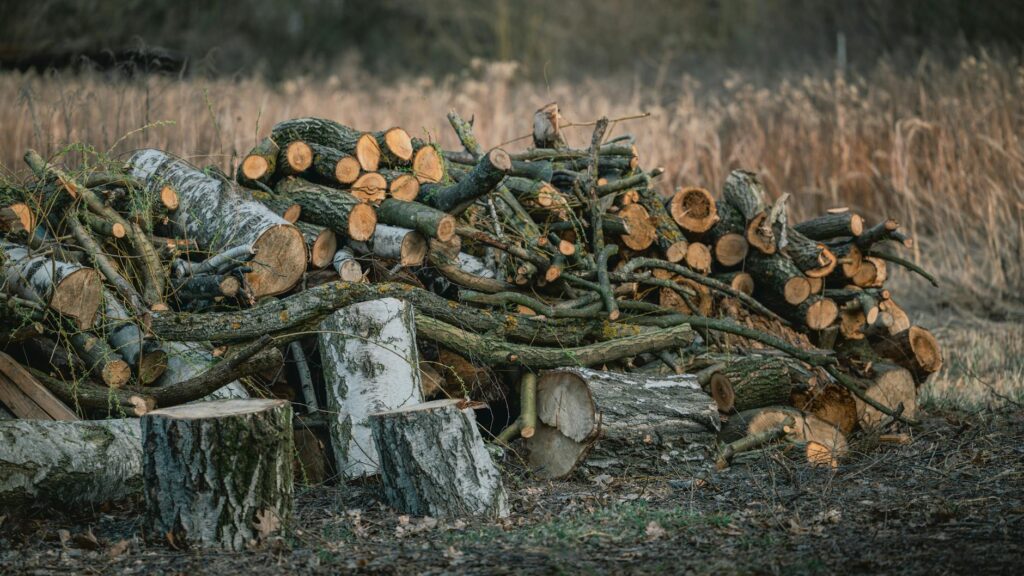
what’s Biomass? The Renewable Fuel from Nature
This guide covers everything about what’s biomass. Imagine Using the power of a fallen tree, agricultural waste, or even the methane gas from a landfill. This isn’t science fiction. it’s the reality of biomass energy. Understanding what’s biomass is Key for grasping the future of sustainable energy. Biomass refers to any organic material that comes from plants and animals. This material contains stored energy from the sun through photosynthesis. When we convert this organic matter into usable energy, we’re tapping into a renewable resource that can reduce our reliance on fossil fuels.
Last updated: April 22, 2026
As of early 2026, the global push for energy security and decarbonisation has put biomass firmly in the spotlight. For instance, the vessel Ultra Yorkshire made its first transatlantic voyage delivering biomass pellets In particular to boost UK energy security, highlighting its growing strategic importance. This highlights how biomass is no longer a niche concept but a practical solution for national energy needs.
Biomass Energy: A Direct Answer
Biomass is organic matter from living or recently living organisms, such as plants, animals, and waste products. It’s converted into energy through processes like combustion, gasification, or anaerobic digestion, producing heat, electricity, or biofuels. It represents a significant renewable energy source, contributing to lower carbon emissions compared to fossil fuels when managed sustainably.
The Origins and Science of Biomass
The fundamental principle behind biomass energy is stored solar energy. Plants absorb carbon dioxide from the atmosphere during photosynthesis, using sunlight to convert it into organic compounds. This process effectively captures and stores solar energy within the plant’s structure—its roots, stems, leaves, and fruits. When this plant matter is used for energy, the stored carbon is released, ideally in a cycle that aims for carbon neutrality.
According to the U.S. Department of Energy (2024), biomass can be broadly categorised into several types, each with unique properties and applications. These categories help us understand the vast potential and diverse sources available for bioenergy production.
Types of Biomass Feedstock
The term ‘biomass’ encompasses a wide array of organic materials. These feedstocks can be classified based on their origin and processing requirements:
- Wood and Forest Residues: This includes timber harvesting residues, sawdust, wood chips, bark, and dedicated energy crops like willow or poplar grown In particular for fuel. In the UK, forestry operations generate substantial wood waste that can be repurposed.
- Agricultural Crops and Residues: This category covers dedicated energy crops (like miscanthus or switchgrass), as well as by-products from food production, such as straw, corn stover, and fruit pomace. For example, the Royal Horticultural Society (RHS) often discusses composting garden waste, a small-scale form of biomass utilisation.
- Animal Waste: Manure from livestock and poultry, as well as residues from animal processing, can be used for energy, especially through anaerobic digestion to produce biogas.
- Municipal Solid Waste (MSW): The organic fraction of household and commercial waste, including food scraps and paper products, can be treated to recover energy. This ‘waste-to-energy’ approach tackles landfill issues simultaneously.
- Aquatic Biomass: Algae and other aquatic plants are being explored as potential biofuels due to their rapid growth rates and ability to be cultivated on non-arable land.
How Biomass is Converted into Energy
Transforming raw biomass into usable energy involves several key conversion technologies. The choice of technology often depends on the type of biomass feedstock and the desired end product (heat, electricity, or fuel).
One of the most straightforward methods is direct combustion. This involves burning biomass in a boiler to produce heat — which can then be used for industrial processes, district heating, or to generate steam for electricity production. Modern biomass power plants are designed to burn efficiently and control emissions effectively.
Biomass Conversion Technologies
Beyond simple combustion, more advanced techniques unlock greater energy potential:
- Gasification: This thermochemical process converts biomass into a synthetic gas (syngas), primarily composed of hydrogen and carbon monoxide. Syngas can then be burned in gas engines or turbines to generate electricity or used to produce chemicals and biofuels.
- Pyrolysis: This involves heating biomass in the absence of oxygen to produce bio-oil (a liquid fuel), biochar (a solid residue used for soil improvement or carbon sequestration), and syngas.
- Anaerobic Digestion: This biological process uses microorganisms to break down organic matter in the absence of oxygen. It produces biogas (mostly methane and carbon dioxide) — which can be used for heating or electricity generation, and a nutrient-rich digestate that can serve as fertiliser. Here’s a common method for processing animal manure and food waste.
- Fermentation: This biological process is primarily used to convert sugars and starches from biomass (like corn or sugarcane) into ethanol, a liquid biofuel widely used as a gasoline additive.
Each of these technologies plays a role in diversifying how we can harness energy from organic matter. For instance, REFFECT AFRICA is a project focused on converting waste into renewable energy in Africa through biomass gasification, showcasing the global application of these methods.
The Role of Biomass in Renewable Energy
Biomass is a cornerstone of the renewable energy sector, offering a unique set of advantages. Unlike intermittent sources like solar and wind, biomass can provide a dispatchable energy supply—meaning it can be stored and used when needed, contributing to grid stability.
The concept of biomass energy explained often hinges on its carbon neutrality. During their growth, plants absorb CO2 from the atmosphere. When biomass is burned, this CO2 is released back. If the rate of biomass consumption equals the rate of regrowth, the net CO2 emissions can be close to zero. This contrasts sharply with fossil fuels — which release ancient carbon stores into the atmosphere, driving climate change.
However, the sustainability of biomass is a topic of ongoing discussion. According to a report from One Earth (2025), concerns exist about whether all biomass is truly a renewable energy source, especially if deforestation or unsustainable land-use practices are involved. Responsible sourcing and management are therefore really important.
Benefits of Biomass Energy
The advantages of utilising biomass are compelling:
- Renewable Resource: As long as plants can be grown and organic waste is generated, biomass is a continuously replenishable resource.
- Waste Reduction: It provides a valuable outlet for agricultural, forestry, and municipal waste, diverting it from landfills and reducing methane emissions from decomposition.
- Energy Security: Locally sourced biomass reduces dependence on imported fossil fuels, enhancing national energy independence. The voyage of the Ultra Yorkshire is a prime example of this strategy in action.
- Lower Net Carbon Emissions: When managed sustainably, biomass combustion results in lower lifecycle greenhouse gas emissions compared to fossil fuels.
- Economic Development: The biomass industry supports rural economies through farming, forestry, collection, and processing jobs.
Challenges and Considerations for Biomass
Despite its benefits, biomass energy faces several challenges that need careful consideration. These primarily revolve around sustainability, efficiency, and cost.
One significant concern is land use. Growing dedicated energy crops can compete with food production for arable land, potentially impacting food prices and availability. Also, the environmental impact of large-scale monoculture farming, even for energy crops, can lead to biodiversity loss and soil degradation.
The ‘carbon neutrality’ claim also requires scrutiny. If biomass is harvested faster than it can regrow, or if forest ecosystems are damaged during harvesting, the net carbon benefit can be negated. The energy required for cultivation, harvesting, transport, and processing also contributes to the overall carbon footprint.
Sustainability and Environmental Impact
Ensuring sustainable biomass sources is key. This means:
- Prioritising waste streams (agricultural residues, MSW) over dedicated crops.
- Implementing responsible forestry practices that ensure regrowth and maintain ecosystem health.
- Utilising advanced conversion technologies that maximise energy output and minimise emissions.
- Conducting thorough lifecycle assessments to quantify true environmental benefits.
The development of advanced biofuels from non-food feedstocks, like algae or waste materials, is a critical area of research aimed at mitigating these land-use conflicts. Companies like DuPont (now part of Corteva Agriscience) have been involved in developing advanced biofuel technologies.
Another challenge is the logistics and cost of transporting bulky biomass materials to processing facilities. This often makes biomass most economically viable when sourced locally.
Biomass in the Marine and Maritime Sector
While often associated with terrestrial energy production, biomass also holds significant potential for the marine and maritime industries. Shipping, a vital component of global trade, is under increasing pressure to decarbonise.
Biofuels derived from biomass are emerging as a promising alternative to traditional heavy fuel oil. These include:
- Biodiesel: Produced from vegetable oils or animal fats, it can be used in existing diesel engines, often blended with conventional diesel.
- Bioethanol: Typically produced from the fermentation of sugars and starches, it can be blended with gasoline.
- Advanced Biofuels: These are derived from non-food feedstocks like waste oils, agricultural residues, or algae. They offer a more sustainable pathway, avoiding competition with food crops.
A notable development in this area is the use of B100 biofuel (100% biodiesel) by biomass carriers. As reported by Bioenergy Insight Magazine (2026), a biomass carrier recently completed its first transatlantic voyage entirely on B100 biofuel, demonstrating the feasibility of these fuels for large-scale maritime transport. This technology is Key for reducing the carbon footprint of the logistics chain that supports the biomass industry itself.
The International Maritime Organization (IMO) has set ambitious targets for reducing greenhouse gas emissions from shipping. Biofuels derived from biomass are considered a key technology to help meet these targets, alongside other alternative fuels like ammonia and methanol.
The Future of Biomass Energy
The trajectory for biomass energy is one of continued innovation and integration into the broader energy landscape. As the world seeks to transition away from fossil fuels, the role of biomass will likely expand, especially in sectors that are difficult to electrify or decarbonise through other means.
Research and development are focused on:
- Improving the efficiency and cost-effectiveness of conversion technologies.
- Developing advanced biofuels from waste and non-food feedstocks.
- Enhancing the sustainability of biomass cultivation and harvesting.
- Exploring novel applications, such as biochar for carbon sequestration and soil enhancement.
The UK government regularly publishes data on energy trends, showing a consistent contribution from biomass to the renewable energy mix. While challenges remain, the ongoing advancements suggest that biomass will remain a vital component of a diversified, sustainable energy future.
As interest grows in areas like carbon removal, some entities, like JPMorgan, are exploring biomass’s role in buried carbon sequestration, though experts highlight limitations, as noted by The Energy Mix (2026). This highlights the dynamic and evolving nature of biomass applications.
Frequently Asked Questions
Is biomass considered a renewable energy source?
Yes, biomass is generally considered a renewable energy source because the organic matter it’s derived from can be replenished naturally or through sustainable agricultural and forestry practices. Plants regrow, and waste streams are continuously generated, making it a cyclical resource.
What are the main disadvantages of biomass energy?
Key disadvantages include potential competition with food production for land, the risk of unsustainable harvesting practices leading to deforestation or habitat loss, air pollution from combustion if not properly controlled, and logistical challenges related to transport and storage of bulky feedstock.
Can biomass help combat climate change?
Biomass can help combat climate change if managed sustainably. Plants absorb CO2 as they grow, and when this biomass is used for energy, the released CO2 is part of a shorter carbon cycle compared to the release of ancient carbon from fossil fuels. However, unsustainable practices can negate these benefits.
what’s the difference between biomass and biofuels?
Biomass is the raw organic material itself (e.g., wood, crops, waste). Biofuels are fuels derived from biomass through processes like fermentation or transesterification. Examples include bioethanol and biodiesel.
How is biomass used in the UK?
In the UK, biomass is used primarily for electricity generation and heat production. This includes burning wood pellets in power stations, using biogas from anaerobic digestion for heat and power, and utilizing waste-derived fuels. There’s also a growing interest in biomass-derived marine biofuels.
Conclusion: Biomass as a Key Component of a Sustainable Energy Mix
In essence, what’s biomass is a question with a far-reaching answer, extending from the farm field and forest to advanced industrial processes and the engines powering global shipping. It represents a versatile and significant renewable energy resource, offering a pathway to reduce reliance on fossil fuels, manage waste effectively, and enhance energy security. While challenges related to sustainability and land use must be diligently addressed through responsible practices and technological innovation, the potential of biomass is undeniable.
For industries like shipping — where decarbonisation is a critical imperative, biomass-derived fuels present a tangible solution for reducing emissions. As the global energy landscape continues to evolve, embracing sustainable biomass utilisation—whether for heat, power, or advanced biofuels—will be a vital step towards achieving a cleaner, more secure energy future.
Editorial Note: This article was researched and written by the Perform Marine editorial team. We fact-check our content and update it regularly. For questions or corrections, contact us.
Related read: Banner Bot.png: Enhance Your Marine Operations