Mercury Inflatables: Essential Data for 2026 Buyers
- As of May 2026, Mercury Inflatables offer a range of models from lightweight tenders to strong RIBs, catering to diverse boating needs.
- Durability is a hallmark, with many models constructed from heavy-duty PVC or high-quality Hypalon, designed for longevity and resistance to UV and abrasion.
- Performance varies significantly by model; rigid-hulled inflatables (RIBs) provide superior handling and speed compared to soft-bottom designs, especially in rougher conditions.
- Compatibility with Mercury outboard motors is a key advantage, ensuring smooth integration and optimized performance for boaters already within the Mercury ecosystem.
When considering a new inflatable boat for your marine adventures in 2026, Mercury Inflatables stand out as a reputable choice. These vessels offer a compelling blend of portability, performance, and strong construction, making them suitable for a wide array of uses, from recreational fishing and diving to serving as reliable tenders for larger yachts.
Last updated: May 3, 2026
The market for inflatable boats is dynamic, with advancements continually improving materials and design. As of May 2026, Mercury’s lineup reflects these innovations, offering a spectrum of options designed to meet the demands of various water conditions and user preferences. Understanding the nuances of their construction, performance characteristics, and intended applications is crucial for making an informed purchase.
Understanding Mercury Inflatable Boat Construction
The foundation of any Mercury inflatable boat lies in its construction materials and design. The brand primarily uses heavy-duty PVC (polyvinyl chloride) for many of its soft-bottom models and a combination of inflatable tubes with rigid hulls for its Rigid Inflatable Boats (RIBs). PVC offers excellent resistance to punctures and UV degradation, crucial for longevity in marine environments.
For more demanding applications or premium models, Mercury also incorporates high-quality Hypalon (chlorosulfonated polyethylene) fabric. Hypalon is renowned for its superior resistance to abrasion, chemicals, and extreme temperatures, offering enhanced durability over PVC, though often at a higher price point. The specific material choice significantly impacts the boat’s lifespan and maintenance requirements.
A practical insight into construction is to examine the seam types. Glued seams are common in PVC boats, while boats using Hypalon often feature vulcanized or thermos-welded seams, which can offer greater strength and resistance to delamination over time, especially in saltwater environments.
Performance Metrics of Mercury Inflatable Boats
Performance in an inflatable boat is a factor of its design, weight, hull shape, and, critically, the outboard motor it’s paired with. Mercury’s inflatable range includes models optimized for different performance levels. Soft-bottom inflatables, like the Mercury Ocean Runner series, are designed for ease of transport and quick deployment, making them ideal as tenders or for calm-water exploration.
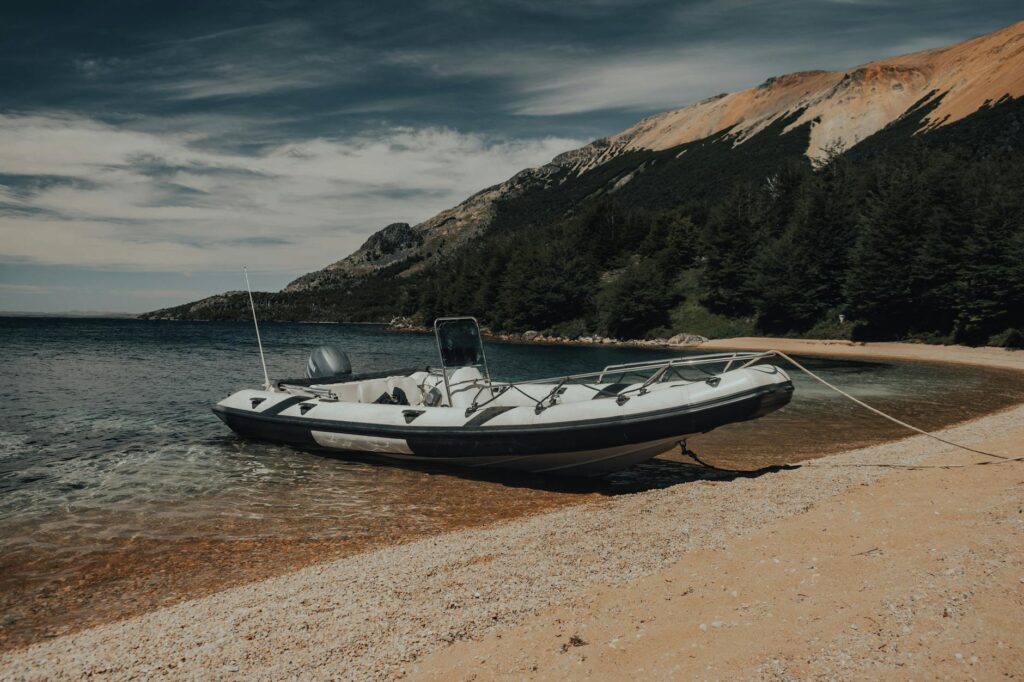
RIBs, such as the Mercury Dynamic Rib series, offer a significant performance advantage. Their rigid hulls slice through water more efficiently, providing better stability, higher speeds, and improved handling in choppy conditions. This makes them a more capable option for offshore excursions or for boaters who prioritize responsiveness and a smoother ride.
A key performance metric to consider is the boat’s load capacity and the recommended horsepower range. Exceeding these limits can compromise stability and safety. According to Mercury Marine specifications, ensuring your outboard motor is correctly sized for the inflatable hull is paramount for optimal performance and fuel efficiency.
Navigating the Mercury Inflatable Model Range
Mercury offers a diverse portfolio of inflatable boats, each tailored for specific purposes. Understanding these categories helps in narrowing down the choices. The Mercury Inflatable Dinghy line generally covers smaller, lightweight models ideal for casual use or as simple tenders.
The Mercury Inflatable Sport series often includes slightly larger, more performance-oriented soft-bottom boats, suitable for light watersports or fishing. For those needing a more substantial and capable craft, the Mercury Inflatable Dynamic Rib series offers the benefits of a rigid hull combined with inflatable buoyancy tubes, providing excellent seaworthiness.
There are also Mercury Inflatable Heavy Duty models, designed for commercial use or extreme conditions, built with tougher materials and reinforced structures. Each series has distinct specifications regarding length, beam, tube diameter, and maximum horsepower, which are critical for matching the boat to your intended use.
Practical Considerations: Size and Capacity
Choosing the correct size for your Mercury inflatable boat is paramount. A common mistake is opting for a size that’s too small for the intended crew or cargo, leading to an uncomfortable or unsafe experience. Conversely, an excessively large inflatable can be cumbersome to handle and store.
Consider the number of people you’ll typically have aboard. A 2.5-meter (approximately 8-foot) inflatable might comfortably seat two to three adults for short trips, while a 3.8-meter (approximately 12.5-foot) RIB can accommodate four to six people and is more suitable for longer excursions or carrying gear.
The payload capacity, often listed in kilograms or pounds, specifies the maximum weight the boat can safely carry, including passengers, engine, and equipment. Always consult the manufacturer’s specifications for your chosen model. According to Mercury Marine documentation, adhering to these load limits is non-negotiable for safety.
Choosing the Right Outboard Motor
While this article focuses on the inflatable hulls, the choice of an outboard motor is inextricably linked to the inflatable’s performance and usability. Mercury Inflatables are often designed with Mercury outboard motors in mind, offering smooth integration. These engines are known for their reliability and range of power options.
The transom of an inflatable boat is rated for a specific maximum horsepower (HP) and engine weight. Installing an engine that’s too powerful can make the boat unstable, difficult to control, and potentially dangerous. Too light an engine might struggle to plane the boat effectively.
For a small dinghy, a lightweight 2.5 HP to 6 HP Mercury outboard is often sufficient. For larger RIBs or sport models, you might look at engines ranging from 15 HP up to 50 HP or more, depending on the boat’s size and purpose. Always refer to the boat’s specifications for the recommended engine size range.
Maintenance and Care for Longevity
Proper maintenance is key to ensuring your Mercury inflatable boat provides years of reliable service. After each use, especially in saltwater, rinsing the boat thoroughly with fresh water is essential to remove salt, sand, and debris that can degrade materials over time.
Regularly inspect the inflatable tubes for any signs of wear, abrasion, or punctures. Small leaks can often be repaired with a patch kit. For PVC boats, avoid prolonged exposure to direct sunlight when not in use, as UV rays can weaken the material. UV protectant sprays designed for inflatables can offer an additional layer of defense.
Storage is also critical. When not in use, the boat should be cleaned, dried completely, and stored in a cool, dry place away from direct sunlight and extreme temperatures. Deflating the boat loosely before storage can prevent stress on seams. For RIBs, consider how the rigid hull will be protected during storage as well.
Mercury Inflatables: Real-World Use Cases
Consider Sarah, a coastal resident who purchased a 2.7-meter Mercury Ocean Runner dinghy in late 2025. She uses it primarily to ferry her family and gear to a mooring buoy where her larger sailboat is kept. It’s light enough for her and her partner to easily launch and retrieve from their dock, and it handles the short, choppy crossings to the mooring reliably with a 6 HP Mercury outboard. The boat’s compact size means it stores easily on the foredeck of her sailboat.
In another scenario, Mark, an avid diver, opted for a 4.2-meter Mercury Dynamic Rib in early 2026. He needed a strong tender that could handle rougher seas, carry dive gear for two people, and act as a stable platform for entry and exit. The RIB’s deep-V hull provides excellent stability and cuts through waves, allowing him to reach dive sites further offshore without undue discomfort. He paired it with a 30 HP Mercury outboard, which provides ample power for quick planing and responsive maneuverability.
Common Mistakes When Buying Mercury Inflatables
One of the most frequent errors is underestimating the required horsepower. Buyers often choose an engine that’s too small, resulting in a boat that struggles to get on plane, is slow, and consumes excessive fuel trying to move. Always aim for the higher end of the manufacturer’s recommended horsepower range if your budget and the boat’s transom can support it.
Another mistake is neglecting the importance of the inflatable’s floor material. For soft-bottom inflatables, an air floor offers a more rigid surface and better comfort than traditional slatted floors, but it can be more susceptible to punctures if not cared for properly. Plywood or aluminum floors offer greater rigidity but add weight and complexity.
Failing to consider storage and transport is also common. While inflatables are designed to be portable, a larger model can still be challenging to deflate, pack, and fit into a vehicle or storage space without proper planning. Ensure you have the space and the method to store your boat correctly between uses.
Expert Tips for Mercury Inflatable Owners
When evaluating models in 2026, pay close attention to the tube diameter. Larger diameter tubes on models like the Mercury Inflatable Heavy Duty series provide increased buoyancy, better stability at rest, and a drier ride in waves, as they lift the bow higher. This is particularly beneficial in rougher conditions.
For those using their inflatable as a primary tender, consider models with built-in davit lifting eyes or integrated lifting points. This simplifies the process of hoisting the dinghy onto a larger vessel, a crucial feature for yacht owners. The Mercury Inflatable Dynamic Rib series often includes such provisions.
Don’t overlook the importance of the boat’s weight. A lighter inflatable is easier to launch, retrieve, and transport. While heavier materials like Hypalon and rigid floors add durability, they also increase the overall weight. Balance your need for ruggedness against your requirements for portability.
Frequently Asked Questions
What is the typical lifespan of a Mercury inflatable boat?
As of May 2026, a well-maintained Mercury inflatable boat constructed from quality materials like PVC or Hypalon can last between 10 to 15 years, sometimes longer. Regular cleaning, proper storage, and prompt repairs of any damage are critical factors influencing its longevity.
Are Mercury inflatable boats suitable for offshore use?
Mercury Rigid Inflatable Boats (RIBs) are generally well-suited for offshore use due to their stable hull design and ability to handle rougher conditions. Smaller soft-bottom models are best suited for coastal waters, lakes, or as tenders, rather than extended offshore voyages.
How much do Mercury inflatable boats typically cost in 2026?
Prices for Mercury inflatables vary widely by model size and type. Smaller dinghies might start around $1,000 to $2,500, while larger RIBs can range from $5,000 to $15,000 or more, excluding the outboard motor. Specific pricing should be confirmed with authorized dealers.
What is the difference between a Mercury soft-bottom inflatable and a RIB?
A soft-bottom inflatable has flexible tubes and a flexible floor (often slatted, air-deck, or roll-up). A Rigid Inflatable Boat (RIB) combines flexible tubes with a rigid, V-shaped hull, offering superior performance, stability, and seaworthiness, especially in choppy waters.
Can I use a non-Mercury outboard with a Mercury inflatable?
Yes, you can use an outboard motor from another brand, provided it matches the transom’s recommended horsepower and weight specifications. However, Mercury outboards are engineered for optimal compatibility, ensuring a smooth fit and performance.
What maintenance is required for Mercury inflatable boats?
Key maintenance includes regular rinsing with fresh water, inspecting for leaks, applying UV protectant, and proper storage. For PVC models, avoid excessive heat and sunlight. For Hypalon, ensure cleaning agents are compatible to prevent material degradation.
Choosing the right Mercury inflatable boat involves balancing your specific needs with the features and capabilities each model offers. By understanding their construction, performance characteristics, and maintenance requirements, you can confidently select an inflatable that will enhance your time on the water for years to come.
Actionable Takeaway: Before purchasing, always verify the recommended horsepower range and load capacity for your chosen Mercury inflatable model and ensure it aligns with your primary intended use to maximize safety and enjoyment.
Editorial Note: This article was researched and written by the Perform Marine editorial team. We fact-check our content and update it regularly. For questions or corrections, contact us.