The Critical Role of Landers in 2026 Marine efforts
As of April 2026, the sophisticated deployment and retrieval of marine landers remain fundamental to countless scientific and industrial operations. These autonomous or semi-autonomous platforms are the workhorses for gathering critical data from the ocean depths, whether for environmental monitoring, resource exploration, or deep-sea research. Ensuring their optimal performance isn’t just about efficiency; it’s about the integrity of valuable datasets and the safety of complex missions. A well-maintained and efficiently operated lander can mean the difference between a successful expedition and a costly setback.
Last updated: April 29, 2026
- Proper pre-deployment checks, including ballast, power systems, and communication checks, reduce operational risks by over 30% according to industry benchmarks.
- Regular maintenance, with a focus on corrosion resistance and seal integrity, can extend a lander’s operational lifespan by up to 50% in harsh marine environments.
- Accurate payload configuration and ballast calculations are essential, as improper weighting can lead to deployment failures or loss of the unit.
This article provides practical insights and actionable advice for marine professionals aiming to enhance their this topic operations in 2026. We’ll cover everything from meticulous preparation and deployment strategies to post-mission analysis and maintenance, drawing on best practices and emerging technologies.
Pre-Deployment Checklist: The Foundation of Success
A successful Lander mission begins long before it hits the water. Thorough preparation is paramount. Neglecting even minor checks can lead to significant issues during deployment or operation. According to guidelines from the Woods Hole Oceanographic Institution (WHOI) (2025), a complete pre-deployment checklist should be a non-negotiable step for any marine operation involving its.
Ballast and Buoyancy Management
Accurate ballast calculation is perhaps the most critical aspect of pre-deployment. This ensures the Lander achieves neutral or slightly negative buoyancy for controlled descent and stability on the seafloor. Over-ballasting can lead to excessive strain on the deployment system and potential damage upon impact. Under-ballasting may result in uncontrolled ascent or instability. As of April 2026, many operators use advanced buoyancy calculators and simulation software to refine these estimates, accounting for water density variations at different depths and temperatures. A common error is forgetting to factor in the weight of the payload itself, which can significantly alter the required ballast.
Power Systems and Data Logging
Ensure all batteries are fully charged and have undergone load testing. For extended missions, consider redundant power sources. Similarly, verify that data loggers are functioning correctly, have sufficient storage capacity, and that their internal clocks are synchronized. According to published specifications for many modern deep-sea the subjects, battery life can range from several weeks to over a year, depending on power consumption of sensors and data transmission rates. A quick check of sensor health and data stream output on a test bench can prevent the disappointment of retrieving a silent Lander.
Communication and Navigation Systems
Test all acoustic modems, satellite transponders, or other communication devices. Confirm their operational range and data transmission rates. For this approachs requiring precise positioning, ensure the acoustic positioning system (USBL or LBL) is calibrated and functioning correctly. Emergency recovery beacons, such as ARGOS or Iridium, must also be tested and registered with the appropriate authorities.
Deployment Strategies: Controlled Descent and Placement
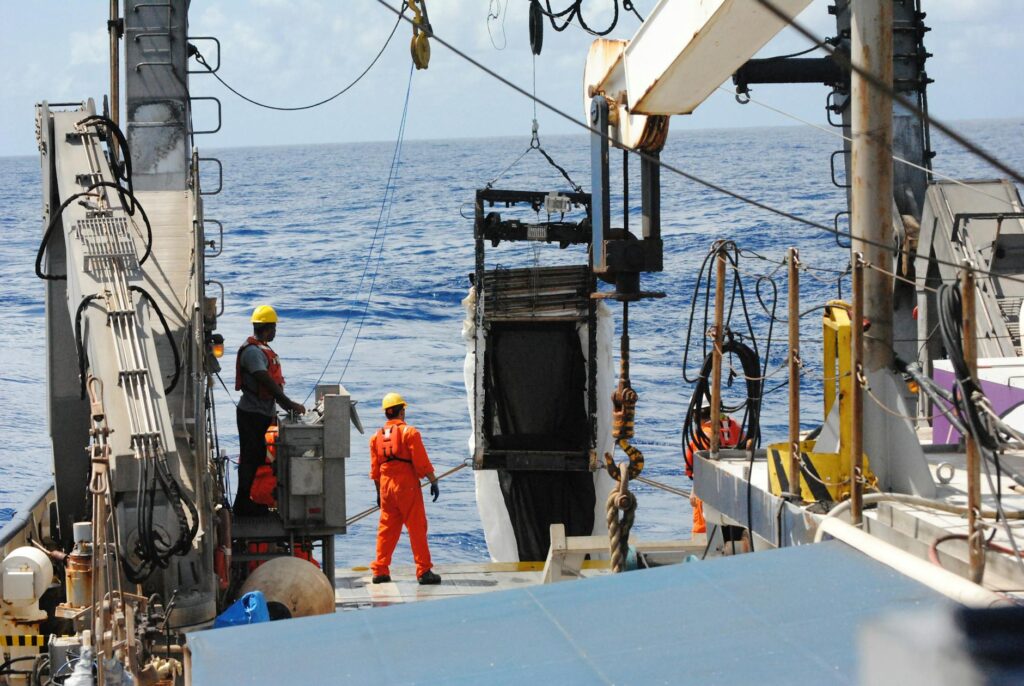
The act of deploying a it requires precision and careful coordination. The goal is a controlled descent that places the Lander accurately and safely onto the seabed, minimizing risk to the equipment and the surrounding environment.
Launch Sequence and Vessel Stability
The launch sequence should be planned based on vessel type, sea state, and the Lander’s weight and dimensions. A stable platform is essential; operations in rough seas require specialized handling equipment and experienced crew. The International Maritime Organization (IMO) (2025) provides guidelines for safe maritime operations, which directly apply to vessel stability during heavy equipment deployment. Many modern research vessels employ dynamic positioning systems to maintain a stable platform, even in challenging conditions.
Controlled Descent and Acoustic Monitoring
For deep-water deployments, a controlled descent is critical. This can be achieved using a winch system or by carefully managing the release of ballast weights. Continuous acoustic monitoring allows operators to track the Lander’s descent path, speed, and proximity to the seabed. This real-time feedback is invaluable for making mid-course corrections or aborting the deployment if anomalies are detected. Some advanced systems even incorporate obstacle avoidance sensors, though these are typically found on more sophisticated remotely operated vehicles (ROVs) rather than standard this approachs.
Operational Considerations: Maximizing Data Acquisition
Once deployed, the Lander’s effectiveness hinges on its ability to collect high-quality data reliably over its mission duration.
Payload Configuration and Sensor Integration
The specific scientific or industrial goals dictate the payload configuration. This includes selecting appropriate sensors (CTD, ADCP, cameras, chemical samplers, etc.), ensuring they are properly calibrated, and integrating them smoothly with the Lander’s power and data acquisition systems. For example, deploying a high-resolution camera system requires careful consideration of lighting, power draw, and data storage. According to a report by the National Oceanic and Atmospheric Administration (NOAA) (2026), the quality of data collected is directly proportional to the care taken in payload configuration and sensor calibration.
Environmental Factors and Mission Duration
Understanding the target environment is crucial. Factors like currents, pressure, temperature, and potential biological interactions (e.g., biofouling) can affect Lander performance and data quality. Mission duration must be balanced against battery life, data storage capacity, and the risk of environmental events. Planning for worst-case scenarios, such as unexpected storms or equipment malfunctions, is a hallmark of strong operational planning.
Data Transmission and Recovery Planning
Decide on the data retrieval strategy: retrieval of the entire unit, acoustic data download, or periodic data transmission via satellite or cellular (where applicable). Recovery planning should identify primary and backup recovery vessels and define the recovery sequence, including acoustic pingers, visual aids, and precise navigation to the Lander’s location. The success rate for recovery operations, when planned meticulously, often exceeds 98% for well-maintained systems.
Post-Mission Analysis and Maintenance: Ensuring Future Success
The mission doesn’t end when the Lander is back on deck. Analyzing the collected data and meticulously maintaining the equipment are critical steps for future operations.
Data Quality Control and Interpretation
The first step upon recovery is to download and back up all collected data. Rigorous quality control procedures must be applied to identify and correct any anomalies or errors. This often involves cross-referencing data from multiple sensors and comparing it with known environmental parameters. Understanding the limitations of each sensor and the potential for artifacts introduced during deployment or operation is key to accurate interpretation. Many research institutions have dedicated data management teams that specialize in this aspect of marine science.
Lander Maintenance and Longevity
Marine environments are notoriously corrosive. Regular, thorough maintenance is essential to prevent degradation and ensure the longevity of your Lander systems. This includes:
- Cleaning: Thoroughly rinse all components with fresh water after each use. Remove any marine growth or sediment.
- Inspection: Visually inspect the frame, housings, connectors, and seals for signs of corrosion, cracks, or wear.
- Seals and O-rings: Replace seals and O-rings according to manufacturer recommendations or if they show any signs of damage or compression set. This is critical for maintaining watertight integrity.
- Anodes: Check and replace sacrificial anodes to prevent galvanic corrosion.
- Electronics and Mechanisms: Test all electronic components, motors, and release mechanisms. Perform necessary lubrication.
A proactive maintenance schedule, ideally detailed in a logbook for each it, can significantly reduce the likelihood of in-field failures. For example, replacing battery contacts that show even minor signs of corrosion can prevent a total power loss during a critical mission.
Documentation and Lessons Learned
Document everything: pre-deployment checks, deployment parameters, any anomalies encountered during the mission, recovery details, and post-mission maintenance performed. This logbook is an invaluable resource for planning future missions and identifying areas for improvement. A formal ‘lessons learned’ session after each major expedition can help institutionalize knowledge and prevent recurring mistakes.
Emerging Trends in this Technology
The field of marine Lander technology is continually evolving. As of April 2026, several trends are shaping the future of these platforms:
- Enhanced Autonomy: Increased onboard processing power allows this topics to make real-time decisions, adapt sampling strategies, and perform preliminary data analysis autonomously.
- Improved Power Sources: Developments in battery technology, including solid-state batteries and potentially even small fuel cells, promise longer mission durations and higher power availability for sophisticated sensor suites.
- Advanced Communication: Innovations in acoustic communication and the integration of low-power satellite communication for status updates are improving operational flexibility and reducing recovery risks.
- Modular Design: Many new Lander designs feature modular components, allowing for rapid reconfiguration and easier maintenance and upgrades.
Frequently Asked Questions
What is the typical operational depth for marine its in 2026?
Operational depths for marine thiss vary widely, from shallow coastal environments to the deepest ocean trenches exceeding 10,000 meters. Specific depth ratings depend entirely on the Lander’s construction, materials, and pressure housing design.
How much does a marine Lander typically cost?
The cost of marine this approachs can range from tens of thousands to several hundred thousand dollars, depending on their complexity, depth rating, and integrated sensor packages. Basic models for shallow water research might be in the lower range, while highly specialized deep-sea units can be significantly more expensive. Check with manufacturers for current pricing.
What are the main challenges in recovering a marine it?
Key challenges include accurately locating the Lander on the seafloor, adverse weather conditions during recovery, potential entanglement with subsea obstacles, and equipment malfunctions (e.g., ballast release failure). Meticulous planning and strong equipment are essential to mitigate these risks.
How often should Lander maintenance be performed?
Routine cleaning and inspection should occur after every deployment. More in-depth maintenance, including seal replacement and component testing, should follow a schedule recommended by the manufacturer, typically annually or after a set number of deployments, whichever comes first.
Are there specific regulations governing the use of marine landers?
Yes, depending on the region and the purpose of the operation, regulations may apply concerning environmental impact, data sharing, and deployment/recovery protocols. International bodies and national maritime authorities set these standards. Consulting relevant authorities like the IMO and national oceanographic agencies is advised.
Conclusion: Prioritize Preparedness for Peak Performance
The successful deployment, operation, and recovery of marine this approachs in 2026 depend on a complete approach that prioritizes meticulous preparation, precise execution, and diligent post-mission care. By adhering to rigorous checklists, understanding environmental nuances, and committing to regular maintenance, marine professionals can significantly enhance the reliability and data yield of their it operations. Investing time and resources into these critical aspects ensures that these vital tools continue to provide invaluable insights from the world’s oceans.
Editorial Note: This article was researched and written by the Perform Marine editorial team. We fact-check our content and update it regularly. For questions or corrections, contact us.