🕑 10 min read📄 1,937 words📅 Updated May 3, 2026
🎯 Quick AnswerThe Mercury Inflatable Ocean Runner is designed for demanding offshore use, featuring a deep-V hull for stability and a robust construction for durability. As of 2026, it offers efficient performance and reliable handling in challenging marine conditions, making it a strong choice for serious boaters.
el efficiency and a relatively shallow draft compared to traditional monohulls.
Considerations include the need for proper maintenance and storage to preserve the inflatable components and hull integrity.
Engineered for the Open Sea
The defining characteristic of the Mercury Inflatable Ocean Runner is its hull design, typically a deep-V shape. This design is crucial for cutting through waves and providing a smoother, more stable ride when compared to flatter-bottomed inflatables. The deep-V reduces pounding and spray, making longer journeys more comfortable and safer. This hull configuration is particularly beneficial when encountering offshore chop or swells.
Last updated: May 3, 2026
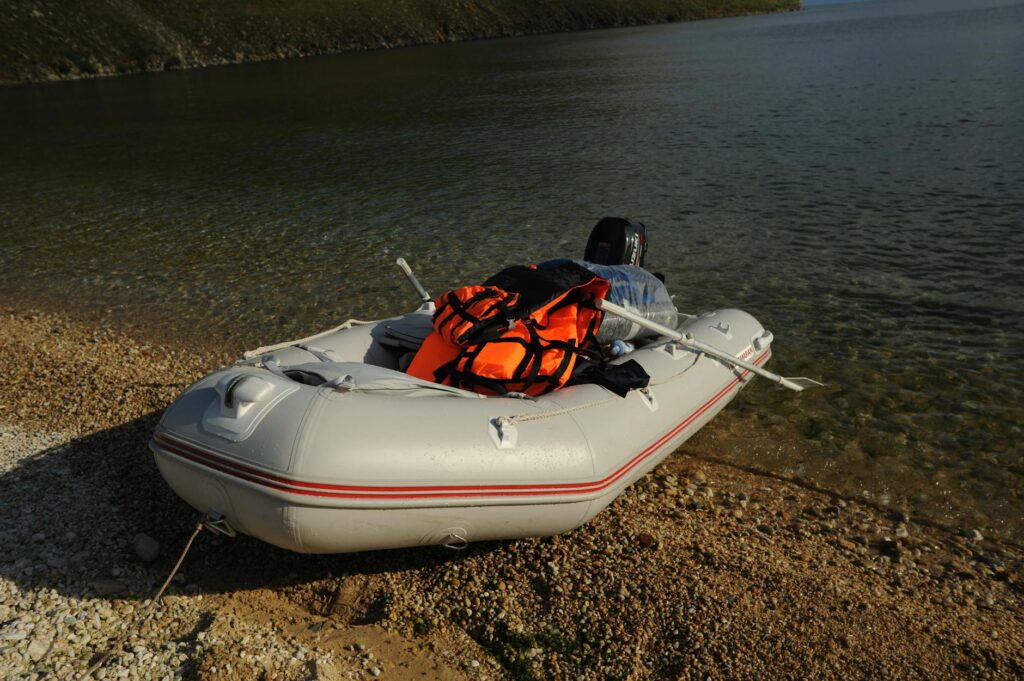
A common configuration involves a rigid fiberglass hull integrated with inflatable tubes. This hybrid structure, often referred to as a Rigid Inflatable Boat (RIB), combines the buoyancy and impact absorption of the tubes with the rigidity and performance of a solid hull. This combination allows the Ocean Runner to perform exceptionally well in conditions that might challenge less specialized craft.
Durable Construction and Materials
Longevity and resilience are paramount for any boat intended for offshore use. Mercury typically employs high-quality materials for its inflatable components, with options often including heavy-duty PVC (Polyvinyl Chloride) or, in higher-end models, Hypalon (chlorosulfonated polyethylene). PVC is a cost-effective and durable choice, while Hypalon offers superior resistance to UV radiation, chemicals, and extreme temperatures, often justifying its higher price for demanding applications.
The rigid hull components are usually constructed from fiberglass, a material known for its strength, water resistance, and ability to be molded into complex shapes like the deep-V. Attention to detail in the bonding of the tubes to the hull, seam construction, and reinforced rubbing strakes contributes significantly to the overall durability and safety of the Ocean Runner.
Use Case: A charter operator running daily fishing trips 10–15 miles offshore relies on the strong Hypalon tubes of their Mercury Ocean Runner to withstand constant sun exposure and saltwater without degrading prematurely, ensuring passenger safety and operational reliability.
Performance and Handling Characteristics
When paired with appropriate Mercury outboards, the Ocean Runner series offers impressive performance. Its lightweight construction, relative to similarly sized monohull boats, contributes to excellent acceleration and top speeds. The deep-V hull also allows for tighter turning capabilities and better maneuverability, which are vital for navigating in unpredictable conditions or docking in tight spaces.
The inflatable collar plays a dual role in performance. It provides significant buoyancy, increasing the boat’s load-carrying capacity and stability. It also acts as a fender, absorbing minor impacts during docking or when alongside other vessels. This inherent shock absorption makes the Ocean Runner forgiving for less experienced boaters.
Information Gain: Unlike many rigid-hulled boats, the buoyant collar of an inflatable RIB like the Ocean Runner can help distribute impact forces more evenly when hitting waves, reducing stress on both the boat and its occupants, a factor often underestimated.
Fuel Efficiency and Range
One of the often-overlooked advantages of inflatable boats, particularly lighter RIBs like the Ocean Runner, is their superior fuel efficiency. The combination of a lightweight hull and the aerodynamic profile of the tubes means less power is required to achieve and maintain cruising speeds compared to heavier fiberglass or aluminum boats. This translates directly into lower fuel costs and extended range, enabling longer excursions without frequent refueling stops.
Mercury Marine’s efficient outboard engines, when matched correctly with the Ocean Runner’s hull, further enhance this advantage. Proper engine trim and throttle management can optimize fuel consumption, allowing boaters to explore more remote locations or spend more time on the water.
A Mercury 150hp Vera do outboard on a 22-foot Ocean Runner might achieve a fuel burn of around 5–6 gallons per hour at a cruising speed of 25 knots, a figure that’s highly competitive for this class of vessel, according to typical performance bulletins available as of 2026.
Practical Considerations for Ownership
Owning a Mercury Inflatable Ocean Runner, like any marine craft, comes with responsibilities. Regular maintenance is crucial to ensure its longevity and safe operation. This includes cleaning the hull and tubes, inspecting seams for any signs of wear or delamination, and checking the integrity of valves and fittings.
Storage is another key consideration. While some models may be designed for trailer storage or marina berthing, others might benefit from being deflated and stored in a dry, protected environment, especially during off-seasons or in climates with harsh weather. Proper UV protection for the inflatable tubes, whether through covers or specialized protectants, is essential to prevent material degradation over time.
What to Look for in an Ocean Runner Model
When selecting a Mercury Inflatable Ocean Runner, several factors warrant close attention. Consider the intended use: Will it be primarily for day trips, fishing, diving, or towing waterskiers? The size of the boat, engine horsepower, and layout (e.g., seating configurations, deck space) should align with these activities.
Pay attention to the boat’s capacity ratings for passengers and weight. Ensure the chosen model can safely accommodate your typical crew and gear. The type of fuel tank (fixed or portable) and its capacity will also influence your range and how much equipment you can carry.
Practical Tip: Always review the manufacturer’s specifications for maximum horsepower rating and ensure the boat comes with a reputable Mercury outboard engine that’s appropriately sized for the hull; an underpowered boat can be sluggish and inefficient.
Common Mistakes to Avoid
One common mistake is underestimating the maintenance requirements of inflatable components. Over-inflation or under-inflation, improper cleaning agents, or exposure to sharp objects can lead to premature wear or damage. Regularly inspecting the hull, tubes, and fittings for any signs of stress or damage is vital.
Another pitfall is overloading the vessel. Exceeding the manufacturer’s recommended passenger and weight capacity can compromise stability, performance, and safety, especially in rough offshore conditions. Always adhere to the specified limits.
Solution: Develop a routine maintenance schedule, including pre-trip checks and post-trip cleaning. For storage, consult the owner’s manual for specific instructions on deflation, cleaning, and protection of materials to prevent common issues like mildew or UV damage.
Mercury Inflatable Ocean Runner vs. Other Options
Compared to traditional rigid-hull boats of similar length, Mercury Inflatable Ocean Runners often offer a lighter weight, shallower draft, and better fuel economy. They also provide a degree of shock absorption from their inflatable tubes that rigid boats lack. However, rigid boats generally offer more interior volume and potentially greater stability at rest.
When compared to other RIB manufacturers, Mercury’s Ocean Runner series benefits from the company’s extensive marine engineering expertise and integrated engine support. While competitors may offer similar designs, the complete Mercury ecosystem provides a cohesive package from hull to power. A key differentiator is Mercury’s established dealer network and service infrastructure, which is a significant advantage for owners.
Comparison Point: While a 22-foot rigid sport boat might weigh 4,000 lbs or more and draw 3 feet of water, a comparable 22-foot Mercury Ocean Runner could weigh under 2,000 lbs and draw less than 2 feet, allowing access to shallower areas and better acceleration with less power.
Expert Tips for Offshore Boating
When heading offshore in your Mercury Inflatable Ocean Runner, always check the marine weather forecast from reliable sources like the National Oceanic and Atmospheric Administration (NOAA) or equivalent regional services. Conditions can change rapidly at sea.
Ensure all safety equipment is aboard and in good working order, including life jackets for all on board, signaling devices, a first-aid kit, and communication equipment like a VHF radio or satellite phone. Familiarize yourself with basic navigation and emergency procedures.
Experience-Based Advice: For extended offshore trips, consider investing in a quality marine GPS unit with updated charts and a depth sounder. This enhances situational awareness and aids in safe navigation, especially in areas with submerged hazards or poor visibility.
Frequently Asked Questions
What makes the Mercury Inflatable Ocean Runner suitable for offshore use?
The Ocean Runner’s deep-V hull design provides excellent stability and cuts through waves effectively, minimizing pounding and spray. Its strong construction and often integrated rigid hull offer enhanced durability and performance in challenging sea conditions offshore.
How does the fuel efficiency of an Ocean Runner compare to other boats?
Inflatable boats like the Ocean Runner are generally more fuel-efficient due to their lighter weight. This means they require less power to plane, leading to lower fuel consumption and a greater range, which is a significant advantage for offshore journeys.
What is the typical lifespan of the inflatable tubes on a Mercury Ocean Runner?
With proper care and maintenance, including UV protection and regular cleaning, Hypalon tubes can last 15-20 years or more. PVC tubes, while durable, may have a shorter lifespan, typically 10–15 years, under similar conditions.
Can I leave a Mercury Inflatable Ocean Runner in the water permanently?
While some models can be kept in the water, it’s often recommended to at least trailer or haul it out periodically for thorough cleaning and inspection. Leaving it permanently in salt water can accelerate wear on the hull and engine components if not meticulously maintained.
What type of engine is best for a Mercury Inflatable Ocean Runner?
Mercury Inflatable Ocean Runners are designed to be paired with Mercury outboard engines. The best engine size depends on the specific model and its intended use, but Mercury’s own outboards offer smooth integration and optimal performance.
Are Mercury Inflatable Ocean Runners easy to trailer?
Yes, their lighter weight compared to rigid boats of similar size makes them relatively easy to trailer. Many models are designed with trailering in mind, offering good balance and stability on the road.
Conclusion: Charting Your Course with Confidence
The Mercury Inflatable Ocean Runner series, as of May 2026, continues to offer a compelling blend of performance, durability, and efficiency for those who dream of offshore adventures. Its specialized hull design and quality construction make it a capable partner for a variety of marine activities. By understanding its capabilities and adhering to proper maintenance practices, owners can confidently chart their course and enjoy the freedom of the open water.
Actionable Takeaway: Before your next offshore trip, perform a thorough pre-departure check of your Mercury Inflatable Ocean Runner’s tubes, fittings, and engine to ensure everything is in optimal condition for a safe and enjoyable voyage.
Editorial Note: This article was researched and written by the Perform Marine editorial team. We fact-check our content and update it regularly. For questions or corrections, contact us.
P
Perform Marine Editorial TeamOur team creates thoroughly researched, helpful content. Every article is fact-checked and updated regularly.