
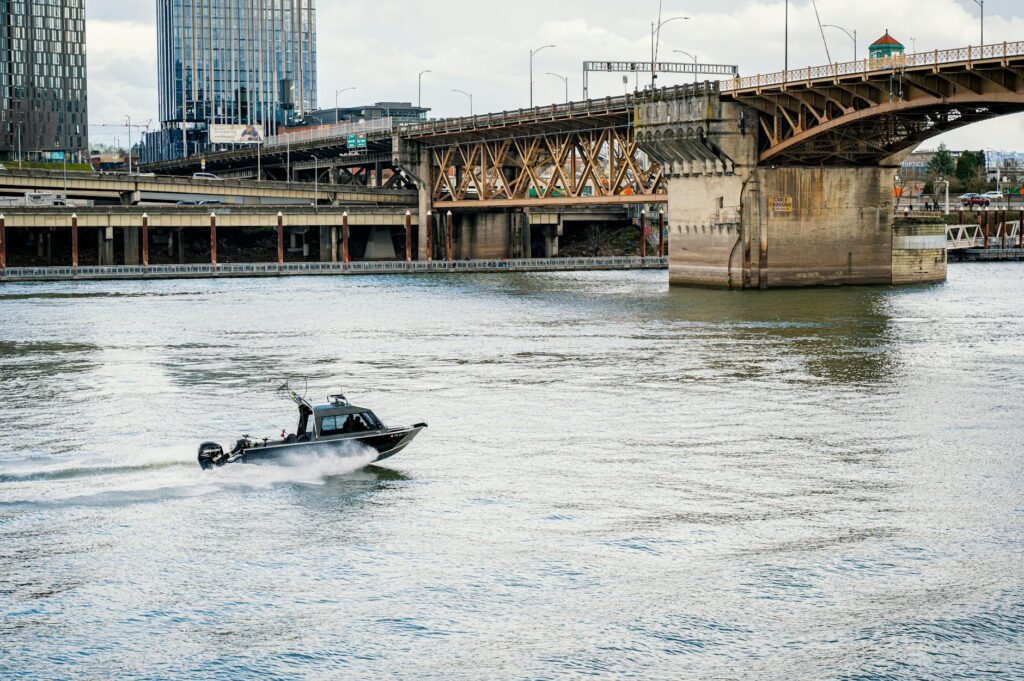
The Hewescraft 190 River Runner: Value and Performance
Launched into a marine market constantly seeking strong yet accessible craft, the Hewescraft 190 River Runner has carved out a significant niche. For many boaters, especially those who frequent rivers and shallower waters, the allure of an aluminum hull combined with jet propulsion is undeniable. This 19-foot model from Hewescraft aims to deliver on that promise, blending durability, maneuverability, and a practical layout. But how does it stack up in real-world conditions and against its competitors? We’ll explore its specifications, performance metrics, and offer practical advice for potential owners.
Last updated: April 24, 2026
The Hewescraft 190 River Runner is designed as a versatile, durable aluminum jet boat, ideal for navigating shallow rivers and bays, offering a balance of performance and practicality for anglers and recreational boaters alike.
Hewescraft 190 River Runner’s Core Design
At its heart, the Hewescraft 190 River Runner is an aluminum-hulled jet boat. This combination is key to its appeal. Aluminum offers a significant advantage in terms of weight and durability, especially when encountering submerged obstacles common in river environments. Unlike fiberglass, aluminum is less prone to catastrophic damage from impacts, making it a more forgiving material for adventurous boating. The jet drive, typically a Yamaha model for Hewescraft, eliminates the need for a protruding lower unit and propeller, drastically reducing the draft and minimizing the risk of grounding.
According to Hewescraft‘s specifications, the 190 River Runner typically features a 19-degree deadrise hull angle, designed to provide a stable ride while still offering some cutting ability through chop. Here’s a Key design element for a boat intended for varied water conditions.
Performance Metrics: What to Expect on the Water
The performance of the Hewescraft 190 River Runner is largely dictated by its engine and hull design. Powered by a Yamaha jet drive, often in the 150-200 horsepower range, it offers brisk acceleration and impressive top-end speeds. For instance, with a 150 HP Yamaha F150XB jet, owners have reported top speeds in the mid-to-high 30s (mph). Here’s more than adequate for waterskiing, tubing, or simply getting to your favorite fishing spot quickly.
The shallow draft is its most celebrated performance trait. Hewescraft often states a draft of just 9 inches with the boat empty, and perhaps 12-14 inches when loaded with gear and passengers. This capability allows access to areas other boats simply can’t reach, opening up vast new possibilities for exploration and fishing. The turning radius of a jet boat is also notably tighter than that of a traditional propeller-driven vessel, adding to its maneuverability in tight spots.
Maneuverability and Handling in Tight Quarters
Handling a jet boat requires a slightly different technique than a conventional sterndrive or outboard. Because there’s no propeller to steer the water, control at low speeds relies on the directional thrust of the water jet. This means that at idle speeds, you might need to use short bursts of throttle to engage the steering nozzle. However, once you’re accustomed to it, the Hewescraft 190 River Runner becomes incredibly agile. Backing down on a fish is often easier, and navigating crowded marinas or narrow channels feels more controlled.
A common piece of advice from experienced jet boaters is to avoid operating in very shallow water with lots of sand or silt, as this can be ingested into the jet intake and cause damage. According to the BoatUS Foundation, specific handling characteristics at low speeds is really important for safety and efficient operation.
Layout and Fishing Features
The “River Runner” moniker isn’t just about its ability to traverse shallow waters. it also speaks to its intended use. The layout typically includes forward-facing rear seats, a helm seat, and a bow area that can be configured for seating or casting. Many models come equipped with a standard fishing package, often including rod holders, a fish box, and ample storage for tackle and gear.
The deck is usually a self-bailing design — which is a critical safety feature. It ensures that any water that enters the boat can drain overboard, preventing it from accumulating and increasing the boat’s weight or stability issues. This is a practical consideration for any boat, but especially one used in potentially rougher river conditions or when waves come over the bow.

Durability and Construction: The Aluminum Advantage
Hewescraft has built a reputation for strong construction, and the 190 River Runner is no exception. Their use of marine-grade aluminum, typically 5052-H32 alloy, provides a strong yet relatively lightweight hull. The welds are often noted for their quality and strength, contributing to the boat’s overall integrity and longevity. This is a stark contrast to some composite boats which might be lighter but are more susceptible to damage from impacts with rocks or debris. The welded construction means fewer potential leak points compared to a riveted hull.
The National Association of State Boating Law Administrators (NASBLA) emphasizes the importance of boat construction materials in relation to intended use. Aluminum’s resilience makes it an excellent choice for boats operating in environments where impacts are a higher risk, such as shallow rivers or rocky shorelines. This durability translates to potentially lower long-term maintenance costs and greater peace of mind for the owner.
Practical Tips for Owning a Hewescraft 190 River Runner
Owning any boat comes with responsibilities, and a jet boat like the Hewescraft 190 River Runner has a few specific considerations.
- Engine Maintenance: Jet drives require regular maintenance, especially flushing the intake and pump housing after use in saltwater or silty water. Referencing the Yamaha F150XB owner’s manual, flushing is recommended after every use in saltwater or brackish conditions to prevent corrosion and buildup.
- Trailer Considerations: Ensure your trailer is suitable for launching and retrieving in potentially soft riverbeds or steep ramps. A good quality trailer with submersible lights and a strong frame is essential.
- Propulsion System Care: Periodically inspect the jet intake for debris that could impede water flow. The impeller and wear ring are critical components that can be damaged by running the engine dry or ingesting sand.
- Winterization: Proper winterization is Key to prevent freeze damage to the jet pump and engine block. Follow the manufacturer’s guidelines meticulously, especially regarding draining all cooling system passages. The U.S. Coast Guard provides complete winterization guides that are applicable.
- Navigational Awareness: Always be aware of your surroundings. While the shallow draft is an advantage, it can also lull you into a false sense of security. Submerged logs, rocks, and sandbars can still pose a threat. Use charts and local knowledge whenever possible.
Is the Hewescraft 190 River Runner the Right Boat for You?
The Hewescraft 190 River Runner presents a strong case for boaters who prioritize durability, shallow-water capability, and practical design. It’s a workhorse that can handle a variety of conditions, from fishing in coastal bays to cruising rivers. Its aluminum construction offers a tangible benefit in terms of impact resistance, and the jet drive provides unparalleled access to shallow waterways. If your boating primarily involves rivers, shallow bays, or areas where submerged hazards are a concern, this boat is certainly worth serious consideration.
However, if your primary focus is on open-water cruising in rough conditions or water skiing with multiple adults at high speeds, you might find a deeper-V hull or a traditional propeller-driven boat offers a more comfortable ride and potentially better fuel efficiency at cruising speeds. The decision ultimately hinges on your specific boating needs, the types of water you frequent, and your tolerance for the unique handling characteristics of a jet boat.
Frequently Asked Questions
what’s the typical horsepower range for the Hewescraft 190 River Runner?
The Hewescraft 190 River Runner is typically powered by Yamaha jet drives, with common options ranging from 150 to 200 horsepower. This provides ample power for performance and towing capabilities suitable for its size and intended use.
How shallow can the Hewescraft 190 River Runner operate?
The shallow draft is a key feature, often quoted as around 9 inches with no load, and approximately 12-14 inches when fully loaded. This allows for operation in very shallow rivers and bays where other boats can’t venture.
Is the Hewescraft 190 River Runner good for fishing?
Yes, the 190 River Runner is well-suited for fishing, especially in river and shallow bay environments. Its design often includes features like rod holders, fish boxes, and a stable platform for casting.
What are the main advantages of an aluminum jet boat like the Hewescraft 190 River Runner?
The primary advantages include superior durability and impact resistance compared to fiberglass, a reduced draft for shallow water access, and enhanced maneuverability in tight spaces due to the jet propulsion system.
What kind of maintenance does a jet drive require?
Jet drives require regular flushing of the intake and pump housing, especially after use in saltwater or silty water, to prevent corrosion and debris buildup. Periodic inspection of the intake and critical pump components is also essential.
Final Thoughts on the Hewescraft 190 River Runner
The Hewescraft 190 River Runner stands out as a highly capable and practical choice for a specific segment of the boating market. Its combination of a durable aluminum hull and a shallow-drafting jet drive makes it exceptionally well-suited for navigating challenging river systems and shallow coastal waters. When considering its strong construction, thoughtful layout, and the proven performance of Yamaha jet propulsion, it presents a compelling value proposition. Prospective buyers should weigh its strengths against their own boating priorities, but for those who need to conquer shallow waters with confidence, the 190 River Runner is a truly compelling option.