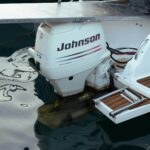
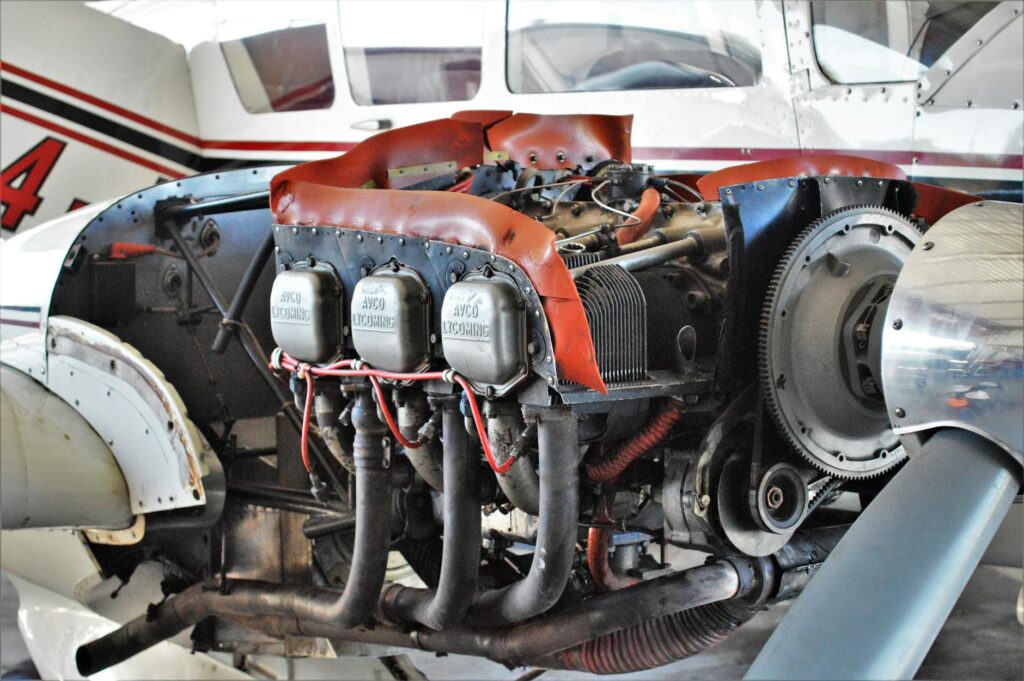
The 4cyl200hp: A Versatile Marine Powerhouse
When outfitting your next vessel or repowering an older one, the choice of an outboard engine is really important. For many boaters, a 4cyl200hp engine represents a highly desirable balance. It delivers substantial power for a variety of watercraft, from serious fishing platforms to family runabouts, without the excessive weight or fuel consumption often associated with larger displacement engines. But what exactly does a 4cyl200hp configuration entail, and what are the key considerations when choosing one? This guide will dive deep into the nuances of these popular powerplants.
Last updated: April 24, 2026
A 4cyl200hp outboard offers a potent combination of power and efficiency, making it a popular choice for many boat types. These engines typically provide strong acceleration and good top-end speed while remaining relatively fuel-efficient compared to larger V6 or V8 options. Their lighter weight can also positively impact boat handling and trailerability.
Understanding Four-Cylinder Marine Engines
At its core, a 4cyl200hp engine uses four cylinders to generate its power output. In the marine world, this typically translates to an inline-four configuration, meaning the cylinders are arranged in a straight line. This design is well-established in the automotive industry for its balance, relatively compact size, and smooth operation. Manufacturers often adapt automotive engine designs for marine use, optimizing them for the harsh marine environment.
According to Yamaha Marine (2023), the inline-four engine design allows for a narrower engine profile — which can be advantageous for twin or triple engine applications, providing more space between engines for service access. This configuration often leads to a strong torque curve in the mid-range, Key for getting heavier boats on plane quickly.
Inline-Four vs. V6 Outboards: A Weighty Comparison
One of the most significant advantages of a 4cyl200hp engine is its weight. Compared to a V6 or V8 engine producing similar horsepower, a four-cylinder model is generally lighter. This difference can be substantial, impacting your boat’s performance and handling in several ways.
A lighter engine means less weight at the transom. You can lead to a better-balanced boat, improved fuel efficiency, and easier trailerability. For instance, a Mercury 200 FourStroke V6 can weigh upwards of 470 lbs, while some 200hp inline-four models, like the Suzuki DF200AP, can weigh in around 485 lbs, but this is often comparable to smaller V6 blocks that might not offer the same torque. However, when comparing to the largest displacement V6s or V8s, the weight savings become more pronounced. According to Evinrude (a brand now part of BRP), weight distribution is key to optimal hull performance, especially in choppy conditions.
Consider a boat designed for a lighter engine. Adding a heavier V6 or V8 might negatively affect its trim, ride quality, and overall stability. Conversely, a boat designed for more power might feel underpowered with a lighter four-cylinder, though this is less common at the 200hp mark.
Performance Characteristics: Torque and Top End
The power delivery of a 4cyl200hp engine is often characterized by a strong mid-range pull. This means it excels at getting your boat up to cruising speed quickly and efficiently. The torque curve is often broad, providing consistent acceleration across a useful RPM range.
While they might not reach the absolute peak top-end speeds of a larger displacement V8, the difference is often marginal for most recreational applications. For many boaters, the responsiveness and fuel economy offered by a well-designed four-cylinder are more valuable than a few extra miles per hour on the speedometer. Manufacturers like Yamaha focus on optimizing the camshaft profiles and intake systems to maximize this mid-range performance.
Fuel Efficiency: The Four-Cylinder Advantage
Fuel efficiency is a major selling point for 4cyl200hp outboards. Smaller displacement and fewer cylinders generally translate to lower fuel consumption, especially at cruising speeds. This means longer range, fewer stops at the fuel dock, and In the end, lower operating costs.
When comparing engines, look beyond just the horsepower rating. Consider the displacement (in cubic inches or liters) and the engine’s design. A modern, fuel-injected four-cylinder engine can be efficient. For example, Mercury Marine’s 200hp FourStroke, while available in V6 configurations, also benefits from technologies that optimize fuel burn across its range. According to the U.S. Environmental Protection Agency (EPA) (2022), advancements in engine technology have improved fuel economy across all engine types.
Maintenance and Longevity
Four-cylinder engines, especially the inline-four design, often benefit from simpler maintenance routines. Fewer parts can mean less potential for failure and easier access for routine service like oil changes and spark plug replacements. This simplicity can translate to lower long-term maintenance costs.
Brands like Honda Marine are renowned for the reliability and longevity of their four-stroke engines, often citing their automotive heritage as a testament to strong engineering. While all marine engines require diligent maintenance—including regular flushing with fresh water and proper winterization—a well-cared-for four-cylinder can offer decades of service. According to a BoatUS article, proper maintenance is the single biggest factor in outboard engine lifespan, often exceeding 1,500 hours for well-maintained units.
Popular 4cyl200hp Outboard Brands and Models
Several major manufacturers offer excellent 4cyl200hp options. Each brings its own strengths and technologies to the table.
- Yamaha F200F: Known for its smooth operation, reliability, and strong resale value. It features a 2.8L displacement and is a popular choice for a wide array of boats.
- Mercury 200 FourStroke: Offers a good balance of power, weight, and efficiency. Mercury’s strong dealer network is also a significant advantage for many boaters.
- Suzuki DF200AP: This engine boasts impressive torque thanks to its 2.87L displacement and is praised for its innovative features like variable valve timing.
- Honda BF200: Renowned for its quiet operation and exceptional build quality, often considered one of the most refined options available.
When choosing, consider factors beyond just the brand name. Look at specific features like alternator output, gearcase options, and available tiller or remote steering systems. Some engines might offer higher horsepower ratings for their displacement, but this can sometimes come at the cost of mid-range torque or fuel efficiency.
When Is a 4cyl200hp the Right Choice?
A 4cyl200hp engine is an excellent choice for:
- Boats ranging from 18 to 25 feet in length.
- Anglers seeking reliable power for trolling and reaching offshore spots.
- Families needing sufficient power for watersports like tubing and wakeboarding.
- Boaters who prioritize fuel economy and extended range.
- Those replacing older, heavier engines where weight is a concern.
It might be less ideal for very heavy, deep-V hulls requiring massive low-end torque or for racing applications where maximum top-end speed is the absolute priority. In those specific niches, larger displacement V6 or V8 engines might be more suitable.
Practical Tips for Owning a 4cyl200hp Outboard
To ensure your 4cyl200hp engine provides years of reliable service, follow these practical tips:
- Regular Flushing: Always flush your engine with fresh water after each use in saltwater. This removes corrosive salt and debris. Many modern outboards have easy-access flushing ports.
- Scheduled Maintenance: Adhere strictly to the manufacturer’s recommended maintenance schedule. This includes oil changes, filter replacements, and spark plug checks. Check the owner’s manual for specific intervals. for example, Yamaha often recommends oil changes every 100 hours or annually, whichever comes first.
- Use Quality Fuel and Oil: Always use the recommended octane fuel and the specific marine-grade oil. Using the wrong type can lead to premature engine wear. Refer to your engine’s manual for exact specifications.
- Propeller Selection: Ensure your propeller is correctly matched to your boat and typical load. The right prop maximizes performance and fuel efficiency. Consult with a marine dealer or propeller specialist.
- Winterization: If you operate in colder climates, proper winterization is critical to prevent freeze damage. This involves draining water passages, adding fuel stabilizer, and fogging the cylinders.
Frequently Asked Questions
what’s the typical fuel consumption of a 4cyl200hp outboard?
Fuel consumption varies greatly depending on the boat, load, sea conditions, and throttle position. However, at cruising speeds (typically around 3000-4000 RPM), a 4cyl200hp engine might consume anywhere from 5 to 10 gallons per hour. At wide-open throttle, expect consumption to be higher, potentially 15-20 GPH.
How does the weight of a 4cyl200hp compare to a V6?
Generally, a 4cyl200hp outboard is lighter than a V6 producing the same horsepower. For example, a Yamaha F200 (inline-four) weighs around 485 lbs, while a Yamaha F200 V6 (a later model) weighs around 505 lbs. The difference is often more pronounced when comparing to larger displacement V6s.
Are four-cylinder engines reliable for marine use?
Yes, modern four-cylinder marine engines are highly reliable. Manufacturers like Honda, Yamaha, and Suzuki have perfected the inline-four design for marine applications, focusing on durability, corrosion resistance, and efficient cooling systems. Their reliability is comparable to, and often exceeds, larger engine configurations when properly maintained.
Can a 4cyl200hp engine pull a tube or skier?
Absolutely. With its strong mid-range torque, a 4cyl200hp engine is typically more than capable of pulling recreational tubers and skiers, especially on boats within the 18-22 foot range. Proper propeller selection is key to achieving optimal hole-shot performance for watersports.
what’s the lifespan of a 4cyl200hp outboard?
With diligent maintenance, a 4cyl200hp outboard can last for thousands of hours. Many owners report well over 1,500 hours of service life from well-cared-for engines. Factors such as saltwater exposure, operating hours, and adherence to maintenance schedules influence longevity.
Conclusion: Powering Your Adventures Wisely
Choosing a 4cyl200hp outboard engine offers a compelling package of performance, efficiency, and manageable weight for a vast array of boating applications. Whether you’re a seasoned angler, a weekend warrior, or a family captain, these engines provide the power you need without excessive compromise. By advantages of the inline-four design, considering your specific boating needs, and committing to regular maintenance, you can ensure your 4cyl200hp engine becomes a reliable partner for countless memorable days on the water.