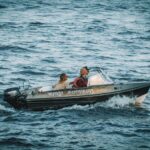

The Enduring Appeal of the Bayliner Classic
The Bayliner Classic has cemented its place in boating history as an accessible and versatile entry-level craft. Its enduring popularity stems from a combination of factors: relatively low purchase price, ease of operation, and suitability for a variety of watersports and cruising. For many, it represents a realistic first step into boat ownership, offering a gateway to the joys of life on the water without the overwhelming complexity or cost associated with larger or more specialized vessels. But like any boat, especially those that have been on the market for some time, understanding what to look for when considering a Bayliner Classic is Key for a satisfying ownership experience.
Last updated: April 23, 2026
A used Bayliner Classic offers a compelling entry point into boating for individuals and families seeking an affordable and functional vessel. These boats are known for their straightforward design and relatively simple systems, making them easier to maintain and operate compared to more complex models.
Assessing Hull Condition: The Foundation of Your Purchase
The hull is the most critical structural component of any boat, and for a Bayliner Classic, its condition will dictate much of its future usability and value. A thorough inspection is non-negotiable. Look for signs of stress cracks, especially around chines, chines, and the transom area. These can indicate impacts or structural fatigue. Gelcoat issues, such as blistering (osmosis), are common in older fiberglass boats. While minor blistering can often be repaired, extensive or deep blistering might signal more significant underlying problems that could be costly to fix. According to BoatUS (2023), checking for a solid sound when tapped with a mallet, especially in areas prone to water intrusion like the transom, is a good indicator of delamination or rot.
Pay close attention to the bottom paint, if present. Is it peeling? Are there signs of blisters underneath? A clean, well-maintained hull is a good sign, but don’t let a fresh coat of bottom paint completely obscure a potentially problematic hull. Consider hiring a marine surveyor if you’re serious about a particular vessel. their trained eye can spot issues that the average buyer might miss. A surveyor’s report is an invaluable tool for negotiation and peace of mind. For example, significant hull damage could cost thousands to repair, potentially exceeding the boat’s market value.
Powertrain: Engine Type and Maintenance History
Most Bayliner Classics are powered by either sterndrive or outboard engines. The type of engine impacts maintenance, performance, and cost. Sterndrives, with their lower units that retract into the hull, offer good performance and fuel efficiency but require diligent maintenance, especially in saltwater environments. Rust and corrosion are common enemies of sterndrives. Check the bellows — which seal the drive to the hull. tears or excessive wear here can lead to costly water intrusion. According to the Environmental Protection Agency (EPA) (2022), emissions standards for marine engines have become stricter, so older engines may have lower fuel efficiency and higher emissions than newer ones.
Outboard motors, But — are generally simpler and easier to service. They can also be tilted out of the water, reducing corrosion issues when stored. When inspecting an outboard, look for signs of oil leaks, listen for unusual noises during a test run, and check the propeller for damage. Keyly, inquire about the engine’s maintenance history. Regular oil changes, filter replacements, and tune-ups are vital for longevity. A service logbook, if available, is a strong positive indicator. Don’t hesitate to ask for maintenance receipts. For a typical outboard motor, a complete service every 100 hours or annually is recommended by most manufacturers, including Yamaha and Mercury Marine.
Interior and Upholstery: Comfort and Wear
The interior of a Bayliner Classic can range from basic to surprisingly comfortable, depending on the specific model and year. Upholstery is often the first thing to show its age. Look for tears, fading, mold, and mildew. While upholstery can be replaced, it’s an expense to factor into your budget. Check all cushions for waterlogging. You can indicate leaks or degraded foam. The condition of the vinyl and stitching will give you a good idea of how well the boat has been cared for.
Inspect the dashboard and gauges. Are they functional? Is there any corrosion or water damage around the electrical components? Test all lights, bilge pumps, and other electrical systems. A boat that has been stored properly, ideally under a cover or in a dry storage facility, will likely have an interior in better condition than one left exposed to the elements year-round. Remember that materials degrade over time, and exposure to UV rays and moisture accelerates this process.
Electrical Systems: A Potential Minefield
Boat electrical systems can be complex and, if poorly maintained, can become a significant source of frustration and expense. For a Bayliner Classic, pay attention to the wiring. Are there any obvious signs of corrosion, frayed wires, or haphazard repairs? Look for proper fusing and circuit protection. A boat with a clean, well-organized electrical panel is a good sign. Test all electrical components: navigation lights, interior lights, horn, bilge pumps, livewell pumps (if applicable), and stereo system.
Corrosion is the bane of marine electrical systems. Check battery terminals for corrosion, and ensure the battery itself is relatively new and properly secured. A boat that has spent significant time in saltwater will likely have more challenges with electrical corrosion than one used exclusively in freshwater. If you’re not electrically inclined, this is another area where a marine surveyor’s expertise can be invaluable. They can identify potential hazards and systems that are nearing the end of their service life. According to the Wikipedia article on Marine Electrical Systems, proper maintenance and understanding of DC circuits are Key for safe operation.
Trailer and Storage Considerations
If your Bayliner Classic comes with a trailer, its condition is just as important as the boat’s. Check the trailer frame for rust or damage. Inspect the tires for wear and proper inflation, and check the wheel bearings. Test the trailer’s lights and brakes (if equipped). A good quality, well-maintained trailer can save you significant hassle and expense down the line. Buying a boat that requires a new trailer soon after purchase can add an unexpected cost of $2,000 to $5,000 or more, depending on size and features.
Consider how you plan to store the boat. Will it be on a trailer in your driveway, at a marina, or in a dry storage facility? Each option has different costs and implications for maintenance. Boats stored on trailers need regular checks of the trailer itself, while boats in the water require routine haul-outs for hull maintenance. Understanding these ongoing costs—marina fees, storage fees, winterization, and shrink-wrapping—is a critical part of responsible boat ownership. For instance, monthly marina slip fees can range from $150 to over $1,000, depending on location and size.
Purchase: Test Runs and Paperwork
Never buy a boat without a sea trial. Here’s your opportunity to see how the boat handles in actual conditions. Check how it accelerates, steers, and brakes. Listen for any unusual noises from the engine or hull. Test all onboard systems while underway. Does the GPS work? Does the depth sounder provide accurate readings? A test run is also the best way to confirm the engine’s performance and identify any hidden issues. Pay attention to how the boat planes and how it handles rougher water, if conditions permit.
Ensure all paperwork is in order. This includes the title, registration, and any maintenance records. Verify that the Hull Identification Number (HIN) on the boat matches the documentation. If the boat is being sold by a dealer, understand the warranty, if any. If buying privately, be aware of your local laws regarding boat sales and titling. Some states require a bill of sale, while others mandate a formal transfer of title through their Department of Motor Vehicles or equivalent agency. According to the National Association of State Boating Law Administrators (NASBLA) (2021), understanding state-specific registration and titling requirements is essential.
Frequently Asked Questions
what’s the average lifespan of a Bayliner Classic boat?
The lifespan of a Bayliner Classic, like any boat, depends heavily on its construction, maintenance, and how it’s used. A well-maintained fiberglass hull can last for many decades, potentially 50 years or more. However, the mechanical components, such as the engine, sterndrive, and electronics, will likely need replacement or significant overhauls within 10-20 years of use.
Are Bayliner boats good for beginners?
Yes, Bayliner boats, including the Classic models, are generally considered excellent for beginners. they’re known for their user-friendly designs, stable handling, and relatively simple operational systems — which makes learning to operate them much less intimidating than more complex vessels.
what’s the typical fuel efficiency of a Bayliner Classic?
Fuel efficiency for a Bayliner Classic varies based on the specific model, engine size, hull design, and operating conditions. However, many models equipped with efficient four-stroke outboards or modern sterndrives can achieve fuel consumption rates ranging from 2 to 5 miles per gallon at cruising speeds.
How much does it typically cost to maintain a Bayliner Classic annually?
Annual maintenance costs for a Bayliner Classic can range from $500 to $2,000 or more. This estimate includes routine services like oil changes, filter replacements, hull cleaning, waxing, engine tune-ups, and potential minor repairs. Costs can increase if major repairs or upgrades are needed.
Where can I find parts for an older Bayliner Classic?
Parts for older Bayliner Classics can often be found through authorized Bayliner dealers, specialized marine parts suppliers, online marketplaces like eBay, and boating forums where owners share resources and sometimes sell used parts. For engine-specific parts, consult the engine manufacturer’s parts catalog (e.g., Mercury Marine or Yamaha).
Making Your Final Decision
The Bayliner Classic offers a fantastic opportunity to get on the water without breaking the bank. However, a smart purchase hinges on thorough inspection and realistic expectations. Prioritize the hull and powertrain condition, as these are the most expensive components to repair. Don’t overlook the details—electrical systems, upholstery, and trailer condition all contribute to the overall value and your enjoyment. Armed with this knowledge and a commitment to due diligence, you can confidently find a Bayliner Classic that will provide years of reliable service and memorable experiences on the water.
Related read: Vision VIP: Enhance Your Marine Visibility